


Fitness culture often talks about strong glutes, toned arms, and core stability. What gets less attention is something just as important for women who train regularly: the health of the veins in your legs. Whether you're a runner, a lifter, a yoga regular, or just trying to stay active between work and life, your legs are doing more behind the scenes than you might realize.
Women are statistically more likely than men to develop varicose veins and spider veins, thanks to a mix of hormones, pregnancy, and genetics. The encouraging news is that the right kind of movement actually helps. The tricky news is that some workout habits can quietly make things worse.

How Exercise Helps Your Leg Veins
Your calf muscles work like a second heart for the lower half of your body. Every step, squat, or lunge contracts those muscles and pushes blood back up toward your chest. Active women generally have stronger calf pumps than sedentary women, which is one reason regular exercise is so good for circulation.
That said, exercise alone isn't a guarantee against vein issues. Heredity plays a big role, and so do things like long hours of sitting between workouts. If you're already noticing bulging veins, persistent heaviness, or that achy feeling that doesn't go away with rest, it's worth talking to a specialist like Metro Vein Centers rather than assuming a few more spin classes will fix it. Knowing what you're actually dealing with makes it easier to train smart and stay consistent.
Workouts That Are Especially Friendly to Your Veins
Some forms of movement are particularly good at supporting leg circulation. They tend to involve rhythmic muscle contractions, full ranges of motion, and minimal static strain.
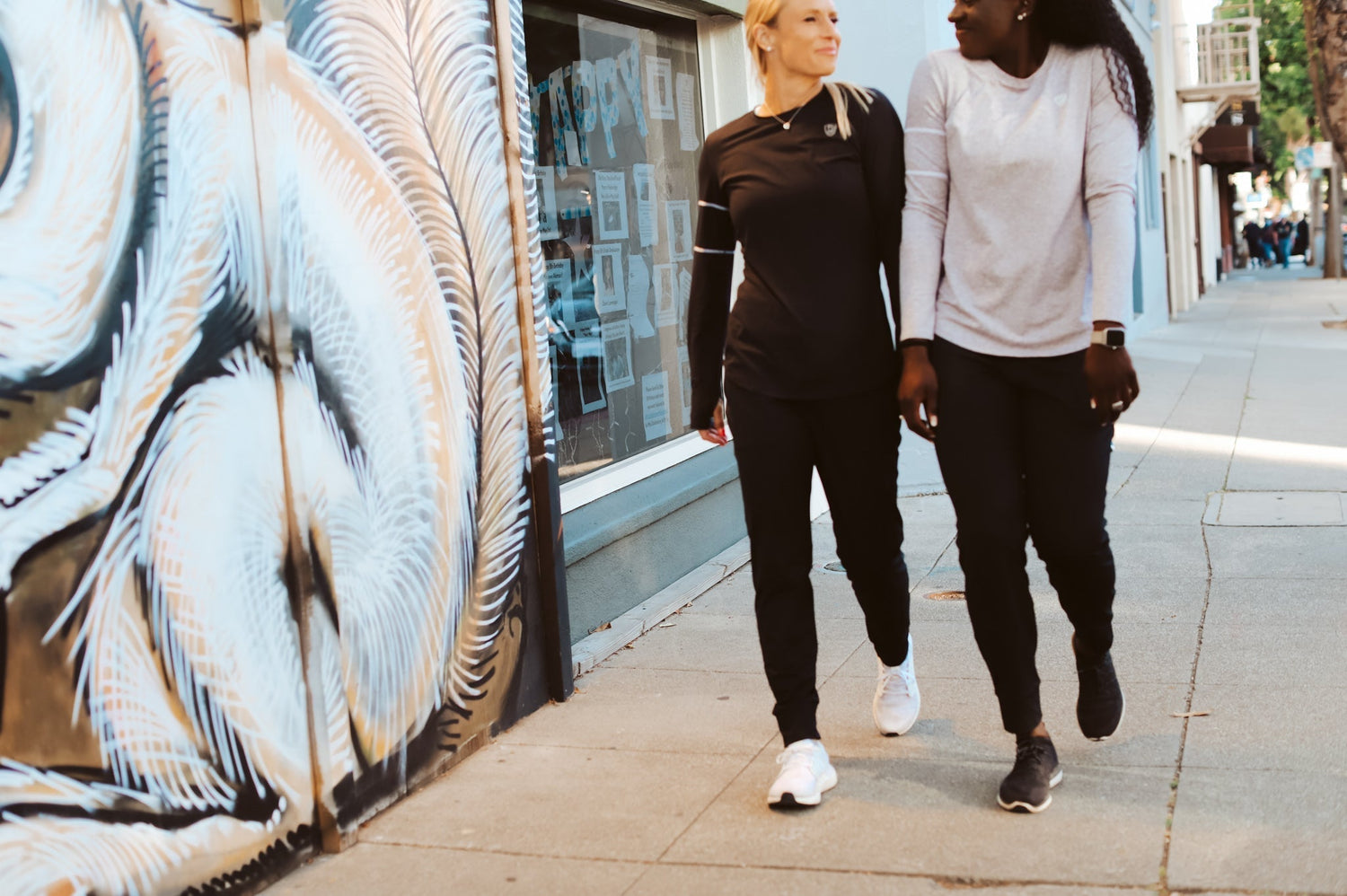
Walking and Hiking
Hard to beat the basics. A brisk walk activates the calf pump consistently and doesn't pound your joints. Hiking adds elevation changes, which work the lower legs even harder and challenge your balance in helpful ways.
Swimming and Water Workouts
The pressure of water itself acts like natural compression, gently squeezing your legs as you move. Swimming, water aerobics, or even just walking in a pool can reduce swelling and feel amazing on tired legs after a heavy training week.

Cycling
Whether outdoors or in a spin class, cycling moves your legs through a smooth, repetitive motion without the impact of running. Just be mindful of your saddle position so you're not cutting off circulation at the hips, and stand up periodically on longer rides.
Yoga and Pilates
Both build strength and flexibility, and many poses involve elevating the legs above the heart, which is genuinely helpful for venous return. Legs-up-the-wall pose at the end of class is a small gift to your veins, and it feels wonderful after a long day on your feet.
Habits That Can Backfire
Not all training choices are equally kind to your legs. A few common patterns are worth watching.
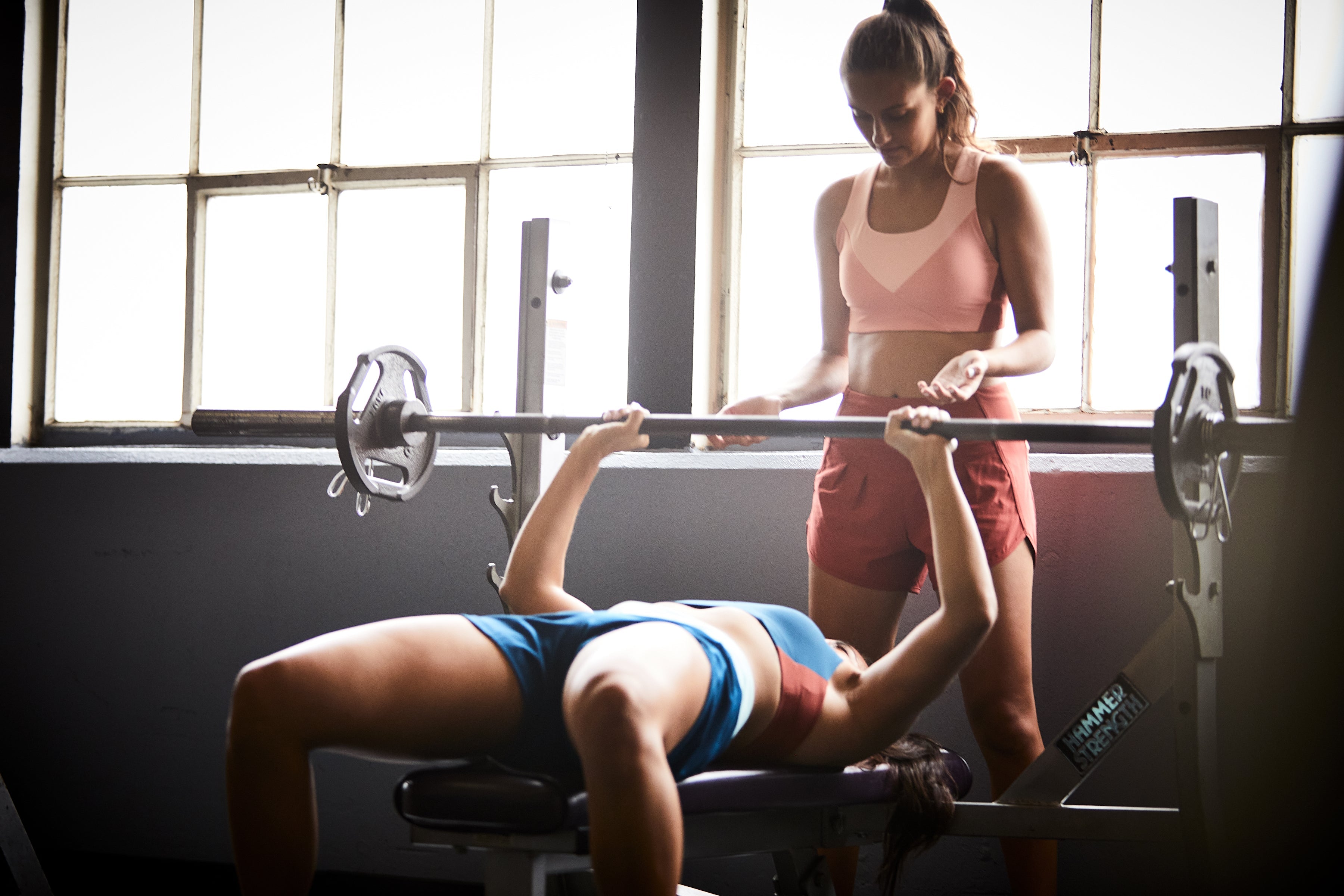
Heavy lifting with held breath. Going extremely heavy on squats or deadlifts while holding your breath spikes pressure in your abdomen, which pushes back against the veins trying to return blood from your legs. You don't have to skip lifting, just breathe through your reps and avoid maxing out without proper form.
Long stretches of stillness between sets. Scrolling your phone for five minutes between sets lets blood pool in your legs. Walk around, even a little, between heavy sets. It also keeps your nervous system primed for the next round.
Skipping the cool-down. Stopping suddenly after intense cardio can leave blood pooled in your lower legs. A few minutes of easy walking after a hard run or class gives your circulation time to settle.
Compression-free travel days. If you're heading to a race or a fitness retreat that involves long flights or drives, compression socks during travel are an easy win that can save your legs the next morning.

Small Habits That Add Up
A few low-effort moves can support everything your workouts are already doing.
Elevate your legs against a wall for five to ten minutes a few times a week, especially after long days. Stay hydrated, since dehydrated blood moves more sluggishly. And if you sit at a desk between workouts, set a reminder to stand and do calf raises every hour. None of this is glamorous, but it adds up over months and years.
Listening to Your Legs
Strong legs aren't just about how they look in leggings. They're how you move through your life. If something feels off, like one leg swelling more than the other, veins that ache after every workout, or skin changes around the ankles, that's worth checking out. There are minimally invasive treatments available these days that don't sideline your training for long. Take care of your legs the way you take care of the rest of your fitness, and they'll keep showing up for you.
Leave a comment
All comments are moderated before being published.
This site is protected by hCaptcha and the hCaptcha Privacy Policy and Terms of Service apply.