


An AI logo generator has become an essential first step for anyone creating custom shirts, tops, hoodies, outerwear, jackets, caps, or any other apparel items in 2025. Whether you're launching a streetwear line, producing event merch, building a fitness brand, running a print-on-demand store, or simply making team uniforms, a strong logo is what turns plain garments into recognizable, desirable products that people want to wear and share.
Adobe Express offers one of the most practical AI logo generators, available letting you describe your apparel vision in plain language and receive multiple professional logo designs in seconds — designs you can immediately adapt for screen printing, DTG, embroidery, vinyl cutting, or heat transfers. This article explains exactly how to use an AI logo generator to create logos optimized for shirts, tops, outerwear, and other clothing categories, with real-world examples for streetwear brands, event merch, fitness and gym apparel, and small-batch custom orders.
By the end, you'll know how to go from a vague idea — like "bold fitness hoodie brand" — to a print-ready logo that looks great small on a chest print, large on a back design, and clean when embroidered on caps or jackets.
Why Your Apparel Brand Needs a Strong Logo in 2025
In the custom apparel market of 2025, now valued globally at over $12 billion and growing fast thanks to print-on-demand platforms, social media drops, festival merch, corporate swag, and niche lifestyle brands, the logo is still the single most important visual element. People don't remember complicated patterns or color gradients first — they remember the mark on the chest, sleeve, or back that identifies the brand.
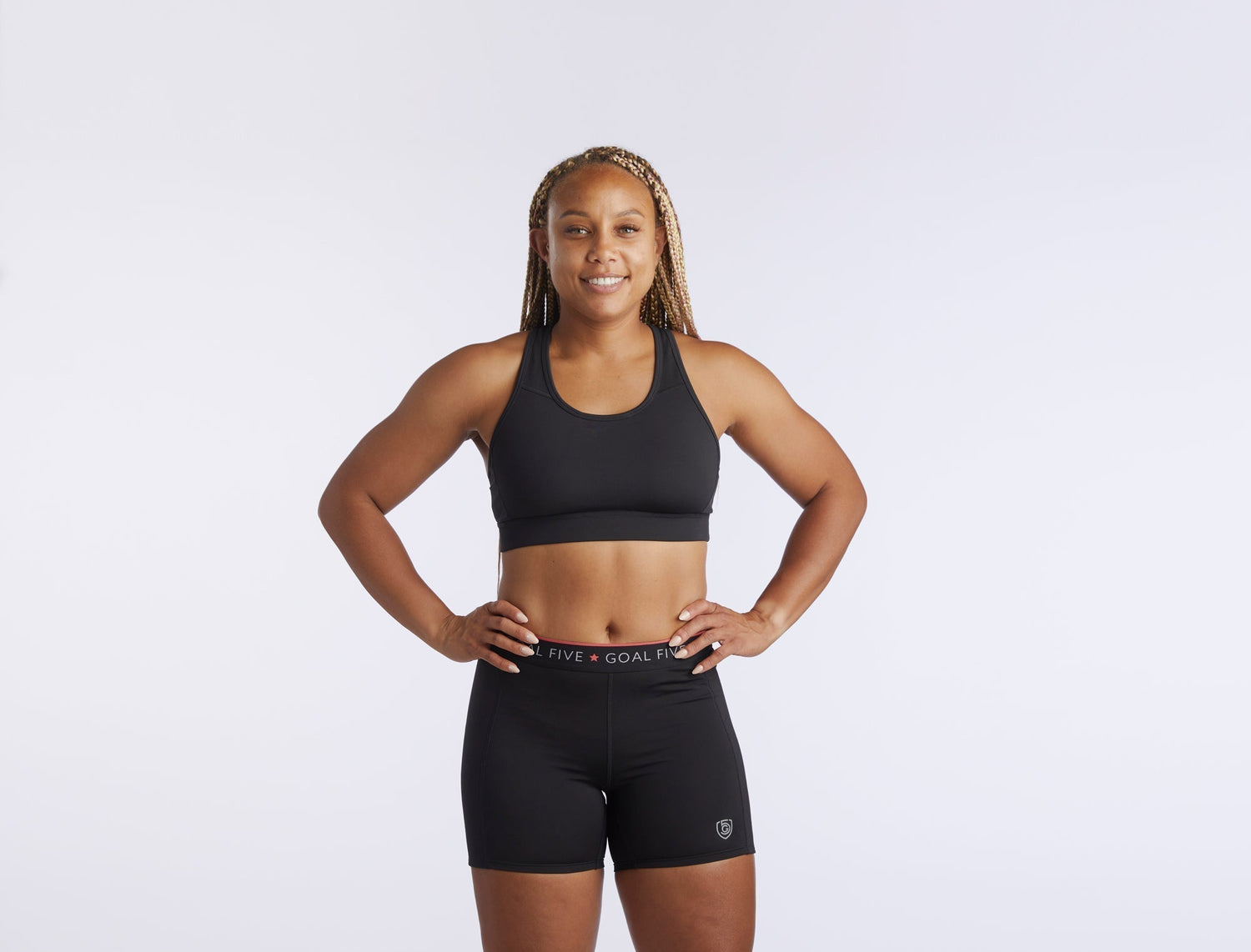
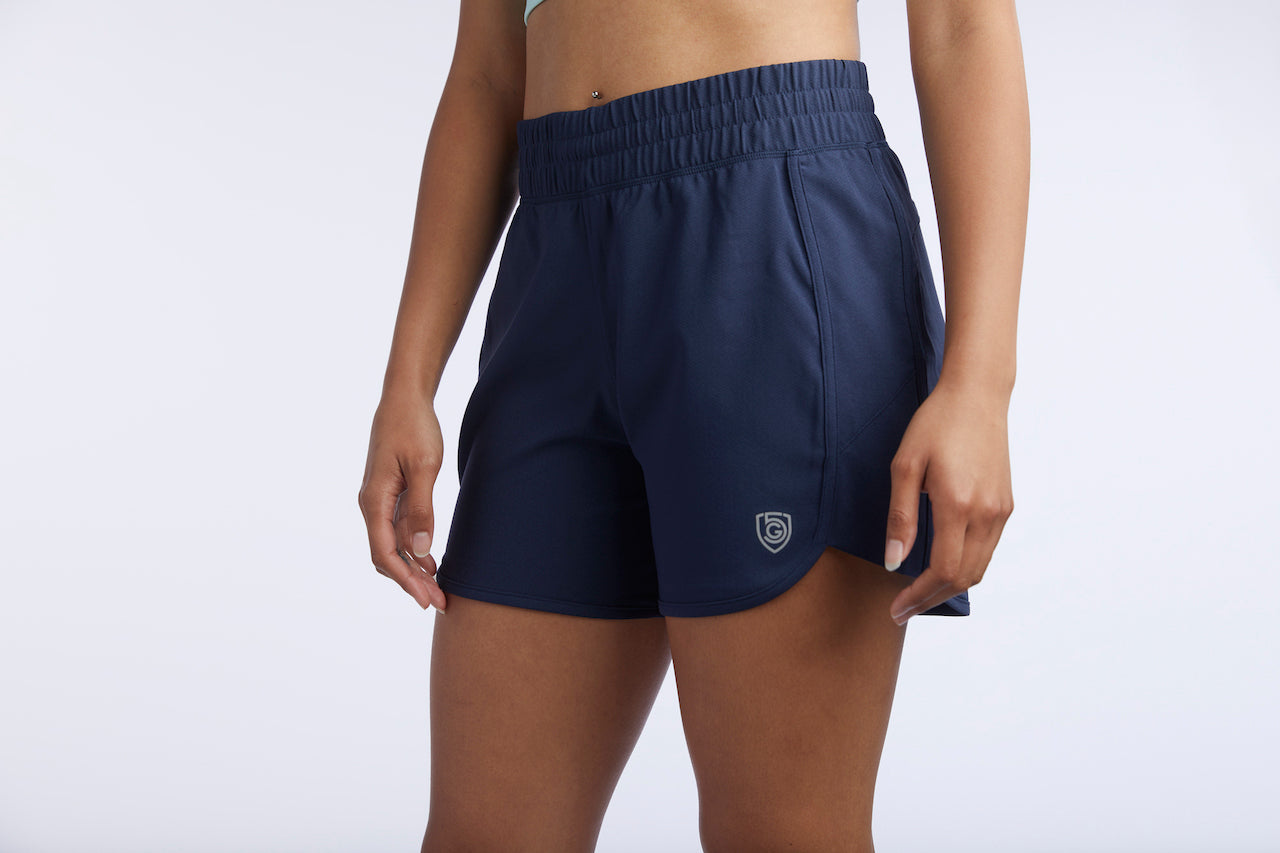
Brands like Goal Five understand this well. Their bold shield logo works equally well on a chest print, embroidered on a cap, or scaled up across the back of a hoodie. That consistency is what builds brand recognition over time — and it starts with getting the logo right.
Key reasons a strong logo matters for shirts, tops, hoodies, and outerwear:
- Instant brand recognition even at a small chest-print size (2–4 inches wide)
- Works across printing methods: screen print, DTG, embroidery, vinyl, sublimation
- Scales cleanly from tiny cap embroidery to oversized back prints on hoodies and jackets
- Looks sharp in one color (black or white) for cost-effective single-ink runs
- Builds perceived value — customers pay 20–40% more for items with a strong, consistent logo identity
- Enables easier resale and secondary market value (streetwear collectors care about the logo first)
The best apparel logos in 2025 are still overwhelmingly simple, bold, and typography-driven. AI logo generators excel at exactly this style: clean wordmarks, monograms, and small symbolic icons that print beautifully on fabric.
Typical Apparel Categories and Their Ideal Logo Styles
Different clothing types demand slightly different logo approaches. Here's what works best in practice:
- T-shirts and tank tops. Bold chest prints or large back prints. Needs logos that read clearly at 3–12 inches wide. Strong typography or simple icons work best.
- Hoodies and sweatshirts. Large back prints plus small chest or sleeve hits. The logo must look good both big and very small.
- Jackets and outerwear. Often feature embroidered chest logos or small woven labels. Needs high-contrast, simple shapes that survive the embroidery process. Goal Five's women's outerwear is a good reference point for how clean branding looks on performance pieces.
- Caps and headwear. Tiny embroidery in the 1.5–3 inch range. Extremely simple wordmarks or monograms only.
- Long-sleeve tops and jerseys. Sleeve logos plus chest and back options — must work both vertically and horizontally.
- Event and group merch. Often printed in a single color for cost savings. The black-and-white version of your logo has to be strong.
- Streetwear drops. Oversized back prints plus small chest tags. Bold typography with a minimal icon is the go-to.
An AI logo generator can produce versions optimized for all of these in a single session.
Step-by-Step Guide to Creating Apparel-Ready Logos with Adobe Express
Step 1: Define Your Apparel Brand Brief
Before opening the tool, answer these questions:
- What is the brand name or main text?
- What type of clothing will feature the logo most — t-shirts, hoodies, caps?
- What feeling should the logo give: bold, minimal, vintage, luxurious, playful, eco-friendly?
- Will you print mostly in 1–2 colors or full color?
- Any must-have elements: initials, a small icon, a tagline?
Example briefs that work well:
- "Streetwear brand logo for oversized hoodies — bold condensed sans-serif in black and red"
- "Minimal yoga apparel wordmark — elegant thin sans-serif in sage green and cream"
- "Women's fitness brand logo — strong shield icon with clean block lettering in navy and white"
Step 2: Generate Initial Options
Open the Adobe Express AI logo generator. Enter your brand name and a description. Click Generate and you'll receive 10–20 complete logo variations in seconds.
Step 3: Select and Refine for Apparel Use
Look for these characteristics in apparel-friendly logos:
- Very readable at 2–3 inches wide
- Strong in 1–2 colors (saves money on screen printing)
- Simple enough for embroidery on caps, jackets, and polos
- Works reversed — white logo on a black hoodie
- Clean negative space around letters and symbols
Then customize: adjust font weight, letter spacing, color palette, and simplify any icon details. Create black, white, and single-color versions before you're done.
Step 4: Download Apparel-Ready Files
Download at minimum:
- SVG — for screen printers, DTG, vinyl cutters, and embroidery digitizing
- PNG transparent — for digital mockups and print-on-demand platforms
- PNG white background — for quick social media previews
- Black and white versions — for single-ink runs or embroidery
Apparel-Specific Logo Design Tips for 2025
- Chest prints (most common): Keep total width under 12 inches at full size, and always test at 3–4 inches
- Large back prints: Can carry more detail, but still avoid tiny elements
- Embroidery (caps, jackets): Minimum line thickness of 0.08–0.1 inches; avoid thin serifs
- Sleeve prints: Usually 2–4 inches tall — prioritize vertical readability
- All-over prints and sublimation: Simpler logos print cleaner and avoid the muddy look
- Single-ink runs: Design a strong black-and-white version first, every time
- Reversed prints (white on dark): Make sure there's enough contrast and line thickness
Save every version: full color, one-color, reversed, and a small-size preview.
Frequently Asked Questions
Can I use the logo commercially for apparel printing? Yes — Adobe Express gives you full commercial rights to logos created in the tool.
How small can the logo be and still look good? Test at 2–3 inches wide. A well-designed text logo usually stays readable down to 1.5–2 inches.
What works best for embroidery on caps and jackets? Simple sans-serif or monogram styles with thick lines and a maximum of 1–2 colors.
How many color versions should I create? At minimum: full color, black, white, and a single-color version in your primary brand color.
Is it free to generate unlimited logos? Yes — unlimited generations and downloads for personal and commercial use.
Wrapping Up
An AI logo generator like Adobe Express is currently the fastest and most cost-effective way to create apparel-ready logos that look professional and print beautifully on graphic tees, hoodies, caps, jackets, and more. By writing a clear brief, generating multiple options, refining for print requirements, and downloading the right file formats, you can go from idea to finished product in under an hour.
The brands that win in custom apparel aren't necessarily the ones with the biggest budgets — they're the ones with the clearest, most consistent visual identity. Start with the logo, and everything else follows.
1 comment
Jacob Binitha
How he has helped me in curing my sickness and bringing happiness into my life. I can really vouch for DR AGBOMIAN SUNDAY, In herbal treatment. I was suffering from Cervical Cancer and infected with HPV. I used to have unusual vaginal bleeding and painful urination. There was nothing I could do until a childhood friend introduced me to Dr. Agbomian Sunday Herbal Remedies. I spoke with him and ordered his recommended medication which was delivered to me through DHL. Immediately I began using herbal medicine, and within a week I couldn’t feel any pain. It took me 2 weeks to finish the medicine and afterwards I was completely cured. I highly recommend that you order your herbal medication through. Dragbomianherbalcured77@gmail.com
Leave a comment
All comments are moderated before being published.
This site is protected by hCaptcha and the hCaptcha Privacy Policy and Terms of Service apply.