


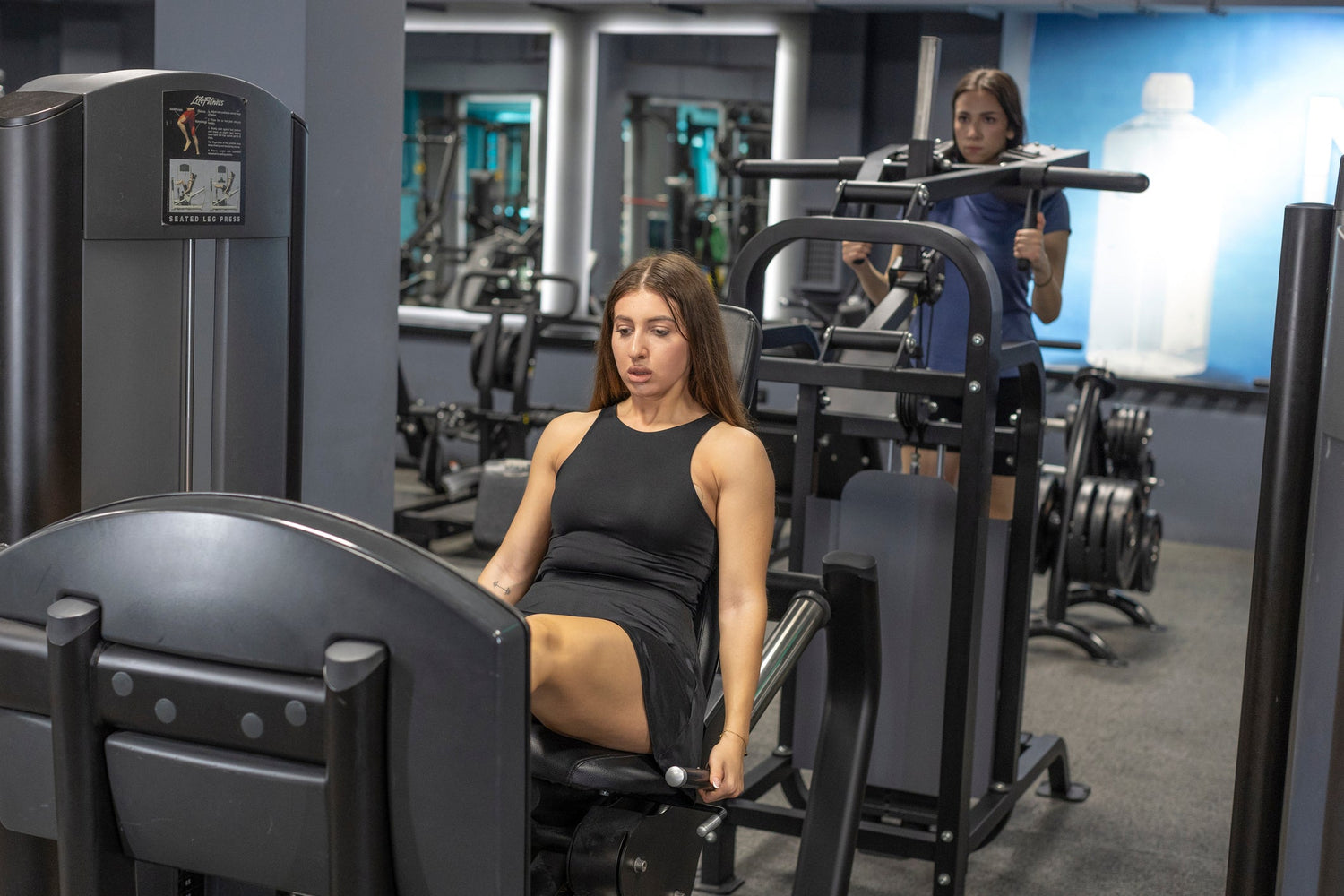
For many women in college, exercise feels like one more thing on an endless to-do list. Between early classes, part-time jobs, and mental exhaustion, it's easy to stop moving altogether. That break might last a few weeks. Or an entire semester. And getting back into a routine? That can feel overwhelming - even intimidating.
But here's what matters most: there's no perfect workout routine that fits every woman. And there never will be. Your health is not a trend. It's personal, emotional, and ever-changing. So if you're a student trying to reconnect with movement - not for pressure, but for peace - this guide is for you.
Just like students turn to a trusted expert when they need academic help - say, a visual deck from EssayPro when thinking, “Please, someone just do my presentation for me” - the same care should be taken with physical routines. Healthy movement is not about pushing harder. It's about listening better.
Let's walk through how student life, identity, and real self-awareness come together when building a new workout rhythm - one that's rooted in safety, not stress.
Why "Bouncing Back" Doesn't Work for Everyone
Social media loves the idea of a dramatic comeback. A glowing post-gym selfie. The caption: "Day 1. Let's go." But fitness doesn't work that way - especially not for women students.
Hormonal changes, academic burnout, poor sleep, irregular meals - these are real factors. If you push through them without care, you can end up worse than where you started. Sore, frustrated, or even injured.
And let's be honest - many fitness spaces were not built with women's comfort or safety in mind. Crowded gyms. Unsolicited advice. Workouts that ignore emotional context. It's no wonder many female students fall into long periods of avoidance.
So instead of chasing "day one," the goal should be something gentler: reconnection. With your body. With your energy. With what movement actually means to you now - not what it used to mean last year, or in high school, or during a pandemic.

Small Steps That Actually Make a Difference
You don't need to overhaul your schedule. Start with what's manageable. Make your fitness yours, not someone else's idea of progress. You can always scale up later - but you don't have to start there.
Here's what helps women students ease into movement again:
1. Keep it short.
Ten minutes of light stretching or dancing between Zoom lectures counts. You're not building stamina yet - you're rebuilding trust.
2. Track how you feel, not how you look.
Did you sleep better? Was your mood lighter? These are more important signs than calories or reps.
3. Move in private if that feels safer.
Apps, YouTube videos, or dorm-room yoga give you full control. Not everyone needs a gym to feel strong.
4. Schedule workouts like you do classes.
Put them in your calendar. Keep them short and non-negotiable - just like a lecture or study group.
5. Don't compare.
Your roommate's six-pack isn't your goal. Feeling okay in your body again? That's enough.
The key is consistency - not intensity. And it's absolutely okay if your version of "working out" looks like foam rolling on the floor while listening to a podcast.

Annie Lambert's Advice on Pressure and Performance
Annie Lambert, a wellness writer and researcher at an essay writing service, has long explored how female students internalize perfectionism - in academics, in fitness, in relationships. According to her, "When you treat your body like a project with a deadline, you stop hearing what it needs."
She emphasizes recovery over performance. Flexibility over control. And in both academics and physical health, that mindset works.
How to Build a Weekly Movement Plan That Actually Works
So where do you start? Somewhere simple. Realistic. Flexible.
This isn't a strict schedule. It's a baseline - something you can adjust when life gets messy. It's about showing up, not showing off.
Here's one example of a low-pressure weekly plan for women easing back into activity:
- Monday: 10-minute guided stretch before class
- Tuesday: 20-minute walk with music between study blocks
- Wednesday: Rest or meditation - mental reset
- Thursday: Bodyweight circuit (squats, pushups, lunges - one round
- Friday: Gentle yoga or breathing exercises
- Saturday: Dance, bike ride, or hike - whatever brings joy
- Sunday: Full rest or reflective journaling on how movement felt
You don't have to follow this exactly. Maybe it's just walking three times a week. That still counts. Build routines around your real life - not someone else's highlight reel.
Addressing Gym Anxiety and Safety
If you do head back to the gym, go in with a plan. Not a strict workout - a personal comfort plan.
Know your entry and exit points. Bring headphones. Choose equipment near mirrors only if that helps you adjust form - not if it makes you self-conscious.
And never hesitate to ask the staff for help. That's what they're there for. You're not bothering anyone by protecting your own safety.
Most of all, if you ever feel unsafe, leave. Your well-being isn't worth one more set.
A Note on Diet, Rest, and Recovery
Starting to work out again might awaken old fears - especially around food. But movement is only helpful when it's supported by fuel and rest.
Rest isn't a reward. It's part of the program.
If any part of your return to fitness triggers anxiety, don't try to handle it alone. Talk to your campus counselor or health center. Mental health and physical health are not separate journeys.
Presentation Stress vs. Body Stress - And How to Manage Both
One final thought: if your academic plate is already full, remember this - stress comes in many forms. A rushed presentation deadline can leave your body just as tense as a tough workout.
If you're ever feeling like “Someone, please, just help me get through this presentation,” remember that services like a presentation writing service exist for a reason. Students are allowed to ask for help - both in class and in life. You can say no to overloading yourself. You can say yes to pacing.
Reclaiming Movement on Your Terms
You don't need a gym membership, a matching set, or a six-week plan. You don't need to hit milestones, hit PRs, or hit the wall.
You just need to move - when you're ready. As you are. And however feels safe.


Leave a comment
All comments are moderated before being published.
This site is protected by hCaptcha and the hCaptcha Privacy Policy and Terms of Service apply.