
The best gear in your bag isn't the loudest. It's the stuff you stop noticing because it just works, season after season. Here's the case for building a kit around fit, materials, and longevity instead of trends.
The Loudest Gear Isn't the Best Gear
Performance culture loves a spectacle. Bright colorways, aggressive logos, the shoe everyone is posting about this month. It is easy to mistake noise for quality, to assume the gear getting the most attention must be the gear that performs best.
The athletes who go the distance tend to learn the opposite. The pieces that earn a permanent spot in the bag are rarely the flashiest. They are the ones that fit right, hold up to repeat training, and disappear into the work so you can focus on it. That is the whole idea behind quiet performance: gear chosen for how it functions and how long it lasts, not for how much attention it pulls in the parking lot.
Built For Female Athletes, Not Marketed At Them
For a long time, women's gear was an afterthought. The industry default was to take a men's product, shrink it, and recolor it, then call the job done. Anyone who has trained in a sports bra that doesn't actually support or leggings that slide down on every sprint knows how that approach feels in practice.
The better question isn't "how do we make this stand out on a shelf." It's "how does a woman actually move, train, and compete in this." That shift, from marketing-first to function-first, is what separates gear built for female athletes from gear simply aimed at them. The restraint shows up everywhere: in seams that don't chafe, in fabrics that move with you, in cuts designed around real bodies doing real work.
The Goal Five Standard
This is the lane Goal Five was built in. The brand exists to make performance gear designed around how women train and compete, from the ground up, rather than as a recolored afterthought. The philosophy is function and durability first, with the kind of fit that only comes from designing for female athletes specifically.
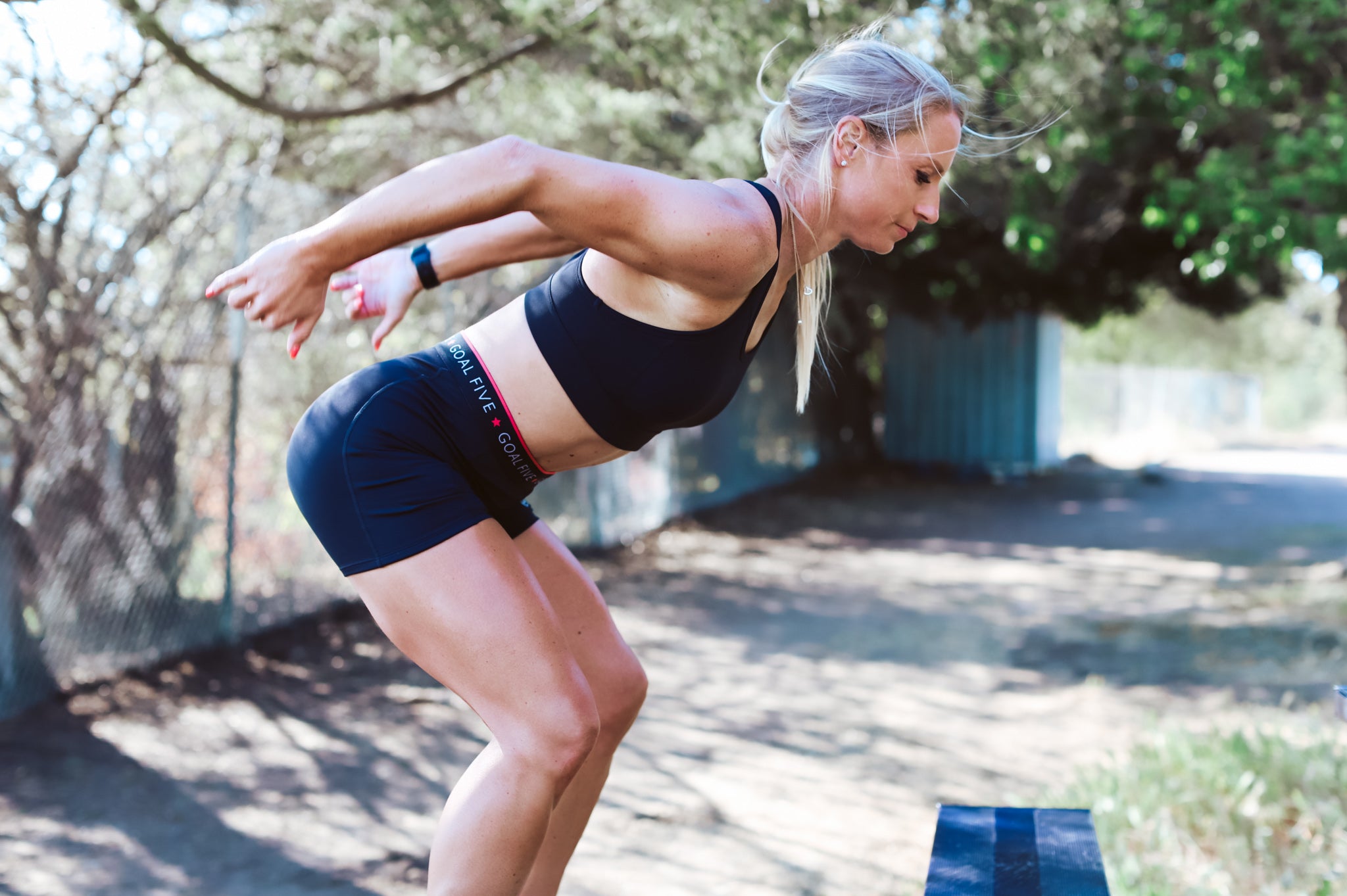
Take the Indie 2.0 Women's Sport Shorts as a clean example of the approach. They are cut and constructed to stay put through sprints, lifts, and full sessions, the kind of piece you stop thinking about the moment you put it on because it does its job without asking for attention. That is the standard worth holding the rest of your kit to.
Materials Matter, On The Field And Off
Pick up a well-made piece of gear and the difference starts in your hands. Quality materials behave nothing like the cheap stuff. A technical training top with real moisture-wicking fabric pulls sweat instead of trapping it. A merino recovery layer regulates temperature and resists odor in a way synthetic blends never quite match. Recycled performance textiles can hold their shape and color through hundreds of wash cycles instead of pilling out after a month.
None of this is random. Good materials are selected for how they age, how they sit, and how they hold up to the specific abuse of training. The reward isn't visible across a room. It is felt in the hundredth wear, when the cheap version has already gone slack and the quality piece still performs like new. The value lives in substance, not surface.
The Eyewear Connection: Vision, Sun, And Recovery
Eyewear is the piece of athletic gear that gets overlooked most, and it shouldn't. If you train outdoors, your eyes are taking a beating from UV exposure, glare, and fatigue every single session. A pair of polarized sport sunglasses cuts glare on the run, the court, or the water and protects against the long-term damage that adds up over years of outdoor training. That is non-negotiable performance equipment, not an accessory.
Off the field, the same logic applies to your everyday frames, and it is a perfect illustration of quiet performance. Compare a disposable fast-fashion frame to a pair of loro piana eyeglasses. The fast-fashion pair feels hollow and loose almost immediately. The well-made pair is built from premium acetate and titanium, assembled by master artisans, and engineered to age and hold its shape over years of daily wear. There is no oversized logo, no gimmick, just materials and craftsmanship you notice before anyone else does. It is the same principle that runs through good training gear: substance over spectacle, built to be kept rather than replaced.
The throughline is simple. Whether it is sport shades for the field or a refined optical frame for the rest of your life, eyewear chosen for materials and durability outperforms eyewear chosen for trend, every time.
Craftsmanship And Fit Show Up In Performance
Materials only matter if the making matches them. You feel good construction before you see it, in the way a well-built trainer cradles the foot, the way a properly designed bra supports without restricting, the way a quality frame settles on your face and stays there.
That tactile quality is exactly where cheap gear falls apart. A disposable pair of anything feels off almost immediately, while a well-made one keeps its composure under pressure. And fit is not just about comfort. Gear that fits right lets you forget it is there, which means more focus on the work and more confidence in competition. Poorly fitting gear does the opposite, nagging at your attention exactly when you can least afford the distraction.
Timeless Over Trendy: Build A Capsule Of Better Gear
The smartest kits are not the biggest ones. They are lean rotations of well-made pieces that last across seasons. A few quality training tops, a couple of supportive bras that actually fit, durable shorts and leggings, a good recovery layer, sport shades for outdoor work, and an everyday frame built to last. Fewer pieces, each one chosen to hold up.
The appeal of this approach is practical, not just tasteful. Timeless, well-built gear doesn't date and doesn't wear out on a trend cycle, so a piece bought now still earns its place in the bag a year or three later. You spend less time replacing things and more time training in gear you trust. Browse the Goal Five collection with that lens and the math starts to make sense.
Are Premium Pieces Worth It For Athletes?
The honest answer depends on what you want from your gear. If you treat everything as disposable, the splurge will never pencil out, and there is no shame in that.
But if you want gear that lasts, the case is strong. You are paying for better fit, better materials, and a design that survives the seasons. Quality pieces rarely need replacing, and that longevity quietly softens the higher price over time. The real divide isn't cheap versus expensive. It is buy-again-and-again versus simply kept. The best gear in your bag is the gear you stop noticing, because it just keeps showing up for you.

Leave a comment
This site is protected by hCaptcha and the hCaptcha Privacy Policy and Terms of Service apply.