
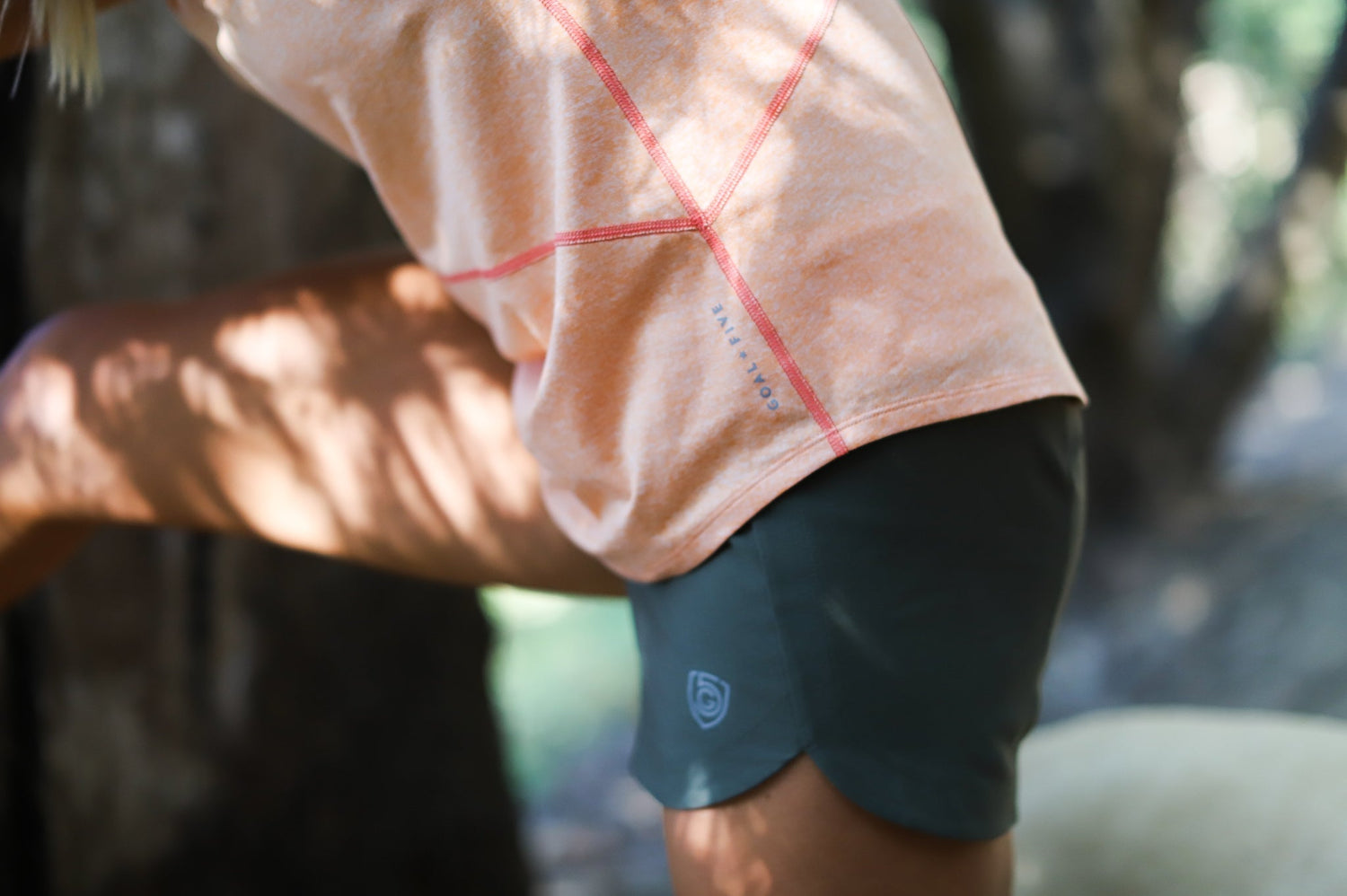
There's a reason disc golf keeps showing up in new parks every year: it's cheap to start, easy to learn, and genuinely fun from the very first throw. All you need is a disc, a free afternoon, and a course, which is more likely closer to your house than you think. Still, your first round goes much more smoothly with a little preparation.
The sport asks more of your body and your patience than most newcomers expect, and a few smart habits separate a frustrating debut from the round that gets you hooked, like Copper Fit compression sleeves and easy lifestyle changes.
Here are five tips every first-time player should know before stepping up to the tee.
1. Back Up Your Body With Compression Gear
The first surprise of disc golf is how athletic it actually is. A full eighteen-hole round involves dozens of full-power throwing motions, constant rotation through the core, and several miles of walking across hills, roots, and uneven ground. Your elbow, shoulder, and knees absorb most of that workload, and if they haven't been asked to throw anything in a few years, they'll let you know.
Smart beginners get ahead of the soreness with compression sleeves and supports built for exactly this kind of repetitive, rotational activity. An elbow sleeve steadies the joint through drive after drive, while knee support takes the edge off sloped fairways and awkward stances in the rough.
Compression also keeps the muscles warm during the standing-around stretches between holes, so your fifteenth drive feels as loose as your first. Put it on before the round rather than after the ache shows up. The players who improve fastest are simply the ones whose bodies let them play again tomorrow.

2. Resist the Urge to Buy a Driver
Every beginner makes the same shopping mistake: grabbing the fastest, most aggressive-looking distance driver on the wall. Here's the problem. Drivers only fly properly with arm speed that takes months to develop, and in a new player's hands, they hook hard into the trees almost every time. The discs the pros throw 400 feet will actively sabotage your first season.
Start instead with a putter or mid-range disc weighing around 165 to 175 grams. These slower, more neutral discs fly where you actually throw them, which means every flight gives you honest feedback about your form.
3. Build Your Throw From the Ground Up
New players throw with their arm. Experienced players throw with their whole body, and the difference is night and day. Real distance comes from your legs and hips uncoiling in sequence, finished by the arm rather than started by it. The foundation is a footwork pattern called the X-step: step, cross behind, step, plant, and release as your hips rotate through.
Rehearse it slowly in the yard until the rhythm feels natural, because trying to learn it mid-round usually ends in a stumble and a worm-burner. The motion should feel like a smooth uncoiling rather than a baseball pitch, with your weight flowing from back foot to front foot as the disc comes through. Even a modest, controlled X-step adds real distance immediately, unlike muscling the disc harder, which can put extra strain on your elbow.
4. Think Your Way Around the Course
The difference between a decent score and a disastrous one usually isn't the quality of your best throws but the cost of your worst ones. One drive into deep rough or across a creek can bleed three strokes, while a boring, safe throw down the middle never costs you anything.
So aim small and play smart. Instead of launching toward the basket area, pick a specific target, a tree trunk, a sign, a mowing line, and throw at that. Take the conservative route around hazards rather than the hero line over them. Inside the circle, prioritize finishing putts you can make over bombing long ones that skip away.

5. Learn the Culture Along With the Game
Disc golf's friendly competitiveness is famous, and it survives because players protect it. The basics are simple. Never throw until the group ahead is fully out of range. Stay still and silent when someone else is throwing. Offer to let faster groups play through. Shout "fore" loudly the moment a disc heads anywhere near another person.
Beyond safety, be a good guest. Most courses are built and maintained by local volunteers, so pack out your trash, skip the loudspeaker, and treat the property with respect. Introduce yourself to the regulars, too. Disc golfers are notoriously generous with advice, spare discs, and standing invitations, and the community is half of what turns first-timers into lifers.

The First of Many Disc Golf Games
Show up with one good disc, supported joints, a patient game plan, and decent manners, and your first round will deliver exactly what disc golf promises: fresh air, good company, and at least one throw so perfect you'll spend the drive home planning your next round.
Last but not least, we have the newbie and the one you’ve all been waiting for: the Sheva. The Sheva and the Fast & Free both contain all the qualities of a great running short, but both appeal to two different types of runners. The F&F is for the minimalist runner, the one who carries none other than her house key while she trains, and the one who prefers a low-rise short. The Sheva gives you the same lightweight, body-skimming feel as the F&F, but with a high-rise, longer inseam, and a rear zip pocket for your slightly larger essentials. The double-layered waistband lays flat against your body to compliment your shape, while the internal elastic drawcord allows you to customize the fit to your exact needs. Regardless of what type of runner you are, the Sheva is built for unrestricted movement, so you can go anywhere and do anything.
Click here to shop the entire bottoms collection!

Leave a comment
This site is protected by hCaptcha and the hCaptcha Privacy Policy and Terms of Service apply.