


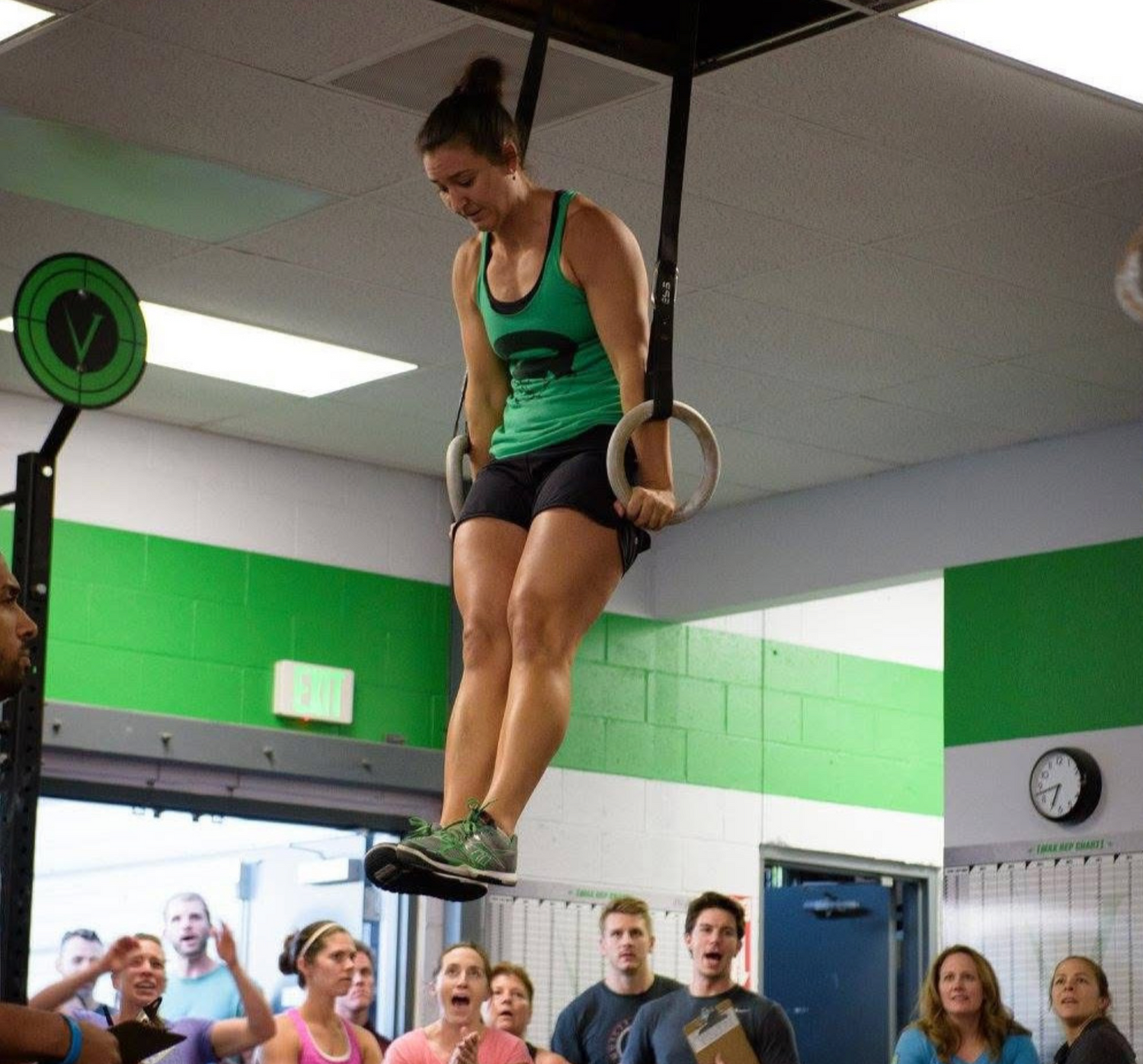
Most people spend years thinking about cushioning, arch support, and stability without ever considering how their feet were designed to move. Traditional athletic shoes certainly have their place, but many a ctive adults are becoming curious about barefoot footwear because it encourages a more natural walking and running experience. Whether you enjoy hiking, strength training, or weekend jogs, barefoot shoes can help you reconnect with the ground while improving body awareness. Like any fitness change, success depends on easing into the transition and giving your muscles time to adapt.
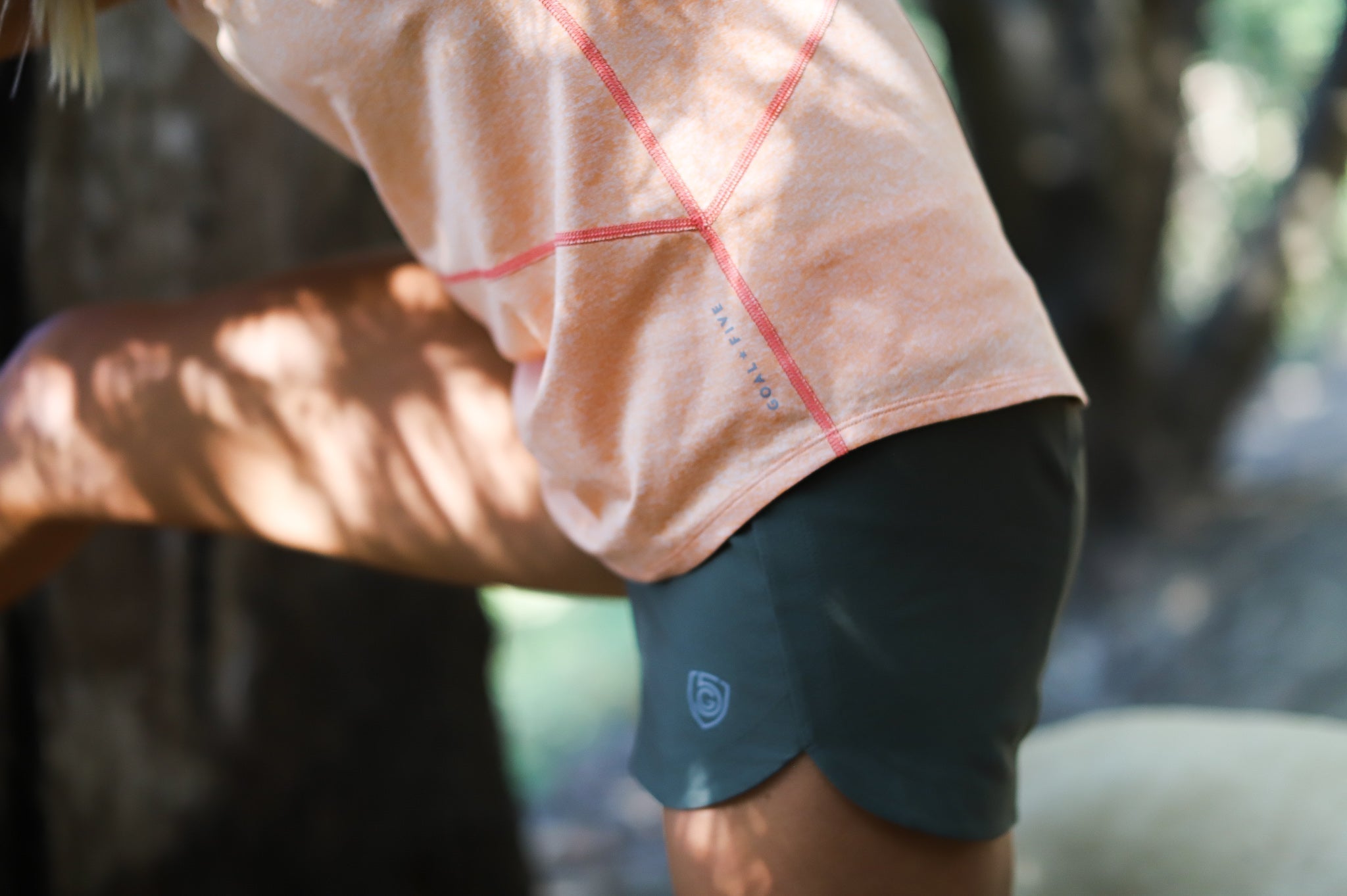
A quick note before we lace up (or don't): Rebuilding your movement from the ground up isn't only about what's on your feet — it's about wearing gear that lets your body move the way it was designed to. That's the whole idea behind our Go Again Full-Length Leggings: a second-skin fit built for the mobility work, walking, and low-intensity training where barefoot shoes shine. Designed and fit for her, so nothing gets in the way of stronger feet and smarter movement.

Start With Your Feet Instead of Your Workout
Many fitness routines focus on building stronger legs, improving endurance, or increasing speed, yet the feet often receive very little attention. Every step begins there, making foot strength an important part of overall movement quality. Barefoot shoes allow the toes to spread naturally while encouraging the small muscles in the feet to work harder than they would inside heavily cushioned footwear.

That added engagement may improve balance, coordination, and stability over time. Many people also notice that walking feels more deliberate because they become more aware of how each foot lands. This increased feedback from the ground can help reinforce better posture and smoother movement patterns throughout the body.
The adjustment period should never be rushed. If your feet have spent years inside supportive shoes, they need time to develop strength. Start with short walks before wearing barefoot shoes during longer workouts. Gradually increasing your activity allows tendons, muscles, and joints to adapt without unnecessary strain.
Finding the Right Fit Matters More Than Fancy Features
Shopping for minimalist footwear involves more than choosing the lightest option on the shelf. Comfort, flexibility, and proper sizing should guide the decision. Many experienced users recommend men's barefoot shoes that support natural movement and a barefoot grip because they combine flexible construction with dependable traction across different surfaces.
A wide toe box allows the toes to spread naturally, which may improve comfort during long walks or gym sessions. Flexible soles let the foot bend and move as intended instead of forcing it into a rigid position. Good grip also provides confidence when exercising on pavement, trails, or wet surfaces.
It is equally important to match the shoe to your activity level. Someone who spends most of the day walking may have different needs than someone lifting weights or running several miles each week. Trying different models and paying attention to how your feet respond will usually produce better results than chasing the latest trend.
Using Barefoot Shoes During Endurance Training
Endurance athletes often spend countless hours refining technique, improving nutrition, and building aerobic fitness. Footwear deserves just as much attention because every mile places repeated demands on the body. If you are planning for a triathlon, introducing barefoot shoes during certain parts of training can help strengthen the feet without replacing every running shoe you own.
Many athletes use minimalist footwear during walking sessions, mobility work, strength training, or short recovery runs. These lower intensity activities allow the feet to adapt while reducing the risk of doing too much too soon. As strength improves, some people gradually expand their use depending on comfort and training goals.

Barefoot shoes can also improve awareness during exercises like lunges, squats, and balance drills. Feeling more connected to the ground often helps athletes maintain better positioning throughout each movement. The goal is not to force a complete switch overnight, but to build stronger movement habits that support long term performance.
Beyond Running, Everyday Benefits Add Up
The advantages of barefoot shoes are not limited to workouts. Many people enjoy wearing them while walking the dog, traveling, or spending long days on their feet. Because they encourage natural movement, they can become part of a more active lifestyle instead of serving only as exercise equipment.
They also pack easily for trips because flexible soles take up very little space in a suitcase or gym bag. Outdoor enthusiasts often appreciate having lightweight footwear for easy trails or campground walks. Even simple daily activities become opportunities to strengthen the feet instead of relying on heavy support throughout the day.

Like any piece of athletic gear, barefoot shoes work best when paired with realistic expectations. They are not a shortcut to better fitness, but they can become one useful tool within a balanced exercise routine.
Build Strength Gradually for Long Term Results
Barefoot shoes encourage people to pay closer attention to how they move, starting from the ground up. Developing stronger feet, improving balance, and increasing body awareness all take time, but steady progress usually delivers better results than making sudden changes. Introduce minimalist footwear gradually, listen to your body, and let consistency guide the process. Small adjustments today can support healthier movement for years to come.

Leave a comment
This site is protected by hCaptcha and the hCaptcha Privacy Policy and Terms of Service apply.