


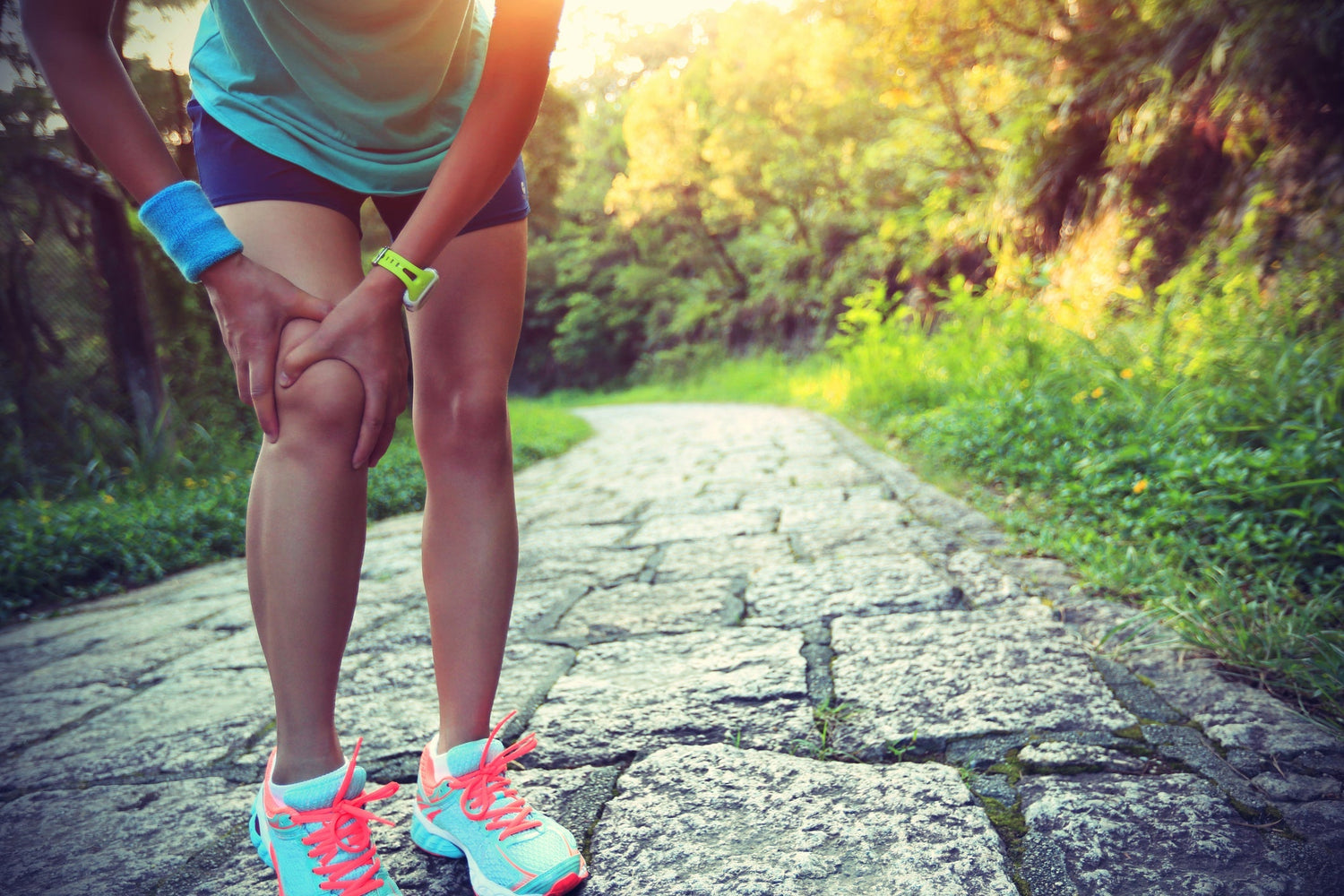
Recovery after a serious sports injury reshapes how an athlete moves through daily life and places new pressure on the home environment. Each room introduces fresh demands as balance, strength, and coordination change during healing. These shifts turn routine actions into moments that require more attention and care.
Practical Home Adjustments That Support Injury Recovery
Home adaptations remove obstacles that place pressure on healing tissues and help the athlete avoid setbacks that slow recovery. Here are a few suggestions.
Mobility Devices
Mobility devices strengthen your stability during recovery by giving you reliable points of support when your balance shifts without warning. For instance, crutches, walkers, and canes guide your movement with a steady rhythm that protects injured joints from sudden stress. Grab bars and railings add structure in areas where your body turns, bends, or transitions between surfaces.
Choose devices that match your environment, as each home creates its own set of challenges. For instance, multi-level layouts need equipment that reduces pressure during climbs. Thus, you may need to research specific devices available in your area, such as stairlifts for San Jose homes or compact platform lifts for older Boston townhouses that have narrow stairways. Wider hallways benefit from walkers that turn smoothly, and smaller spaces often require compact aids that shift easily around corners.
In-Home Assistance
It builds on the physical supports. It provides help during tasks that require more strength. For example, an HHA agency can match you with a caregiver who supports your mobility and daily routines while you regain full stability. Such assistance provides support during transfers, bathing, dressing, and meal preparation, which protects healing joints from sudden pressure.
This hands-on support also keeps your routine manageable because difficult tasks no longer depend on limited strength or reduced balance. A trained caregiver notices small changes in your comfort level, pain, or energy, which helps you adjust your activity before minor issues turn into setbacks.
Rearrange Living Spaces
Clearing low tables, loose rugs, and clutter keeps your steps steady by eliminating objects that interrupt your stride. Wider pathways help you navigate with mobility aids without forcing sharp pivots that strain injured areas. This layout also reduces the mental load of planning every step, since your body can move through each room with fewer obstacles to track.
Raise or Lower Frequently Used Household Items
Adjusting the height of everyday items helps you protect injured joints from movements that strain healing tissues. For instance, placing essentials at mid-level keeps you from bending too low or reaching too high, which reduces sudden pulls on weakened muscles.
This setup also preserves energy for rehab sessions and controlled movement practice by shortening the distance you travel during routine tasks. Additionally, keeping heavy or sharp items within easy reach prevents risky adjustments that shift your weight in unpredictable ways.
Add Non-Slip Solutions in Wet or High-Traffic Areas
Wet surfaces challenge balance during recovery because traction drops quickly when your strength fluctuates. Non-slip mats and textured flooring create steady contact underfoot and prevent sudden slides that place harmful force on healing joints. These surfaces support stable movement as you shift between dry and damp areas that test your footing.
Improve Lighting to Increase Awareness of Floor Changes
Bright, even light reveals floor transitions that challenge weak joints during recovery. Clear visibility also reduces hesitation, so your steps follow a steady rhythm instead of sudden stops. Well-lit hallways and stairs support smooth navigation during early-morning or late-night movements when your body feels less stable.
Create a Centralized Recovery Zone
A designated recovery zone keeps essential items close, so your body avoids unnecessary trips during low-energy moments. For instance, placing rehab tools, water, medication, and supportive cushions in one area creates a predictable routine that saves physical effort. This setup also helps you start and finish exercises without searching for equipment that strains injured joints. A stable environment reduces distractions and gives your body space to focus on healing.
Adjust Bed Height for Safer Transfers
Adjusting your bed height sets the tone for safer movement because you take your first steps of the day before your body feels fully steady. A bed that sits too low forces your knees and hips to work harder than they can handle during recovery, so raising it eases the load on healing joints.
A bed that sits too high creates a different problem because it makes your feet search for stable ground, and that uncertainty disrupts balance. Finding the right height creates a smooth transfer that reduces strain and prepares your body for movement with more control.
Use Supportive Seating to Reduce Stress on Healing Joints
Supportive seating shapes your posture in ways that protect your recovering body because weak areas respond poorly to soft or unstable surfaces. A firm chair keeps your spine aligned and prevents your hips from sinking into positions that increase pressure. Strong armrests guide your rise and sit motions so your legs do not absorb forces they cannot manage yet. This stability carries into the rest of the day as each controlled transfer reinforces safer movement patterns.
Manage Pet Movement to Prevent Sudden Impacts
Pets add warmth to your home, yet their quick movements often collide with the slower, more deliberate pace of recovery. Creating simple boundaries during high-risk moments protects your body from sudden bumps that strain healing joints.
For instance, gates or closed-off areas guide pets away during transfers, stair use, or balance-sensitive tasks so you stay focused on your footing. Structured interaction times help your pet adjust to your temporary limits and reduce unpredictable jumps or sprinting near your legs. As your space becomes calmer during movement, you navigate your home with fewer surprises and give your body a safer path to heal.
Conclusion
How you move shapes your recovery. For instance, temporary mobility devices steady your steps when injured joints react unpredictably. Lighting upgrades reveal floor changes before your body absorbs unwanted strain.
Even minor adjustments improve your control because safer item placement reduces awkward reaching, and added floor grip prevents slips that stress healing tissues. Each adaptation strengthens your control and creates an environment that supports every step you take toward full stability.

Leave a comment
All comments are moderated before being published.
This site is protected by hCaptcha and the hCaptcha Privacy Policy and Terms of Service apply.