


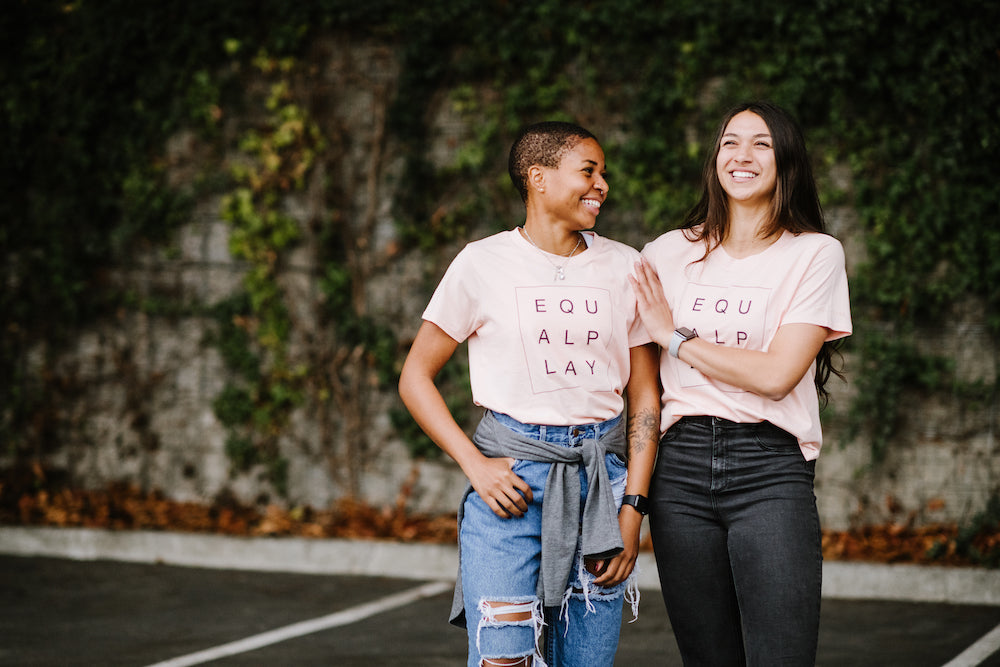
Staying active is not about chasing your younger self. It is about protecting the freedom to live on your own terms: to hike, to lift, to travel, to keep up with the people and passions you love. For active women, movement is independence, and independence is worth protecting at every age.
The goal is to keep moving confidently, without letting worry hold you back. Smart training, sensible recovery, and a safety net like Life Assure medical alert bracelets all support that freedom. This guide covers how to stay active and independent for the long run.
Why Does Staying Active Matter So Much With Age?
Because movement preserves everything independence depends on. Strength, balance, and confidence all come from staying active.
Physical activity is any movement that works your muscles and uses energy. With age, it protects muscle mass, bone density, and balance, the very things that keep you self-reliant. The NIA guidance on types of exercise for older adults highlights strength, balance, endurance, and flexibility as the pillars worth training.
The message is empowering, not limiting. An active body is what lets you keep saying yes to life.
How Do You Train Smart as You Get Older?
By working with your body, not against it. The goal shifts from pushing limits to training sustainably.
Prioritize strength and balance, which fade fastest without use. A guide to the best workouts for women over 50 shows how to build both safely. The key habits are these 5:
-
Strength train. Protect muscle and bone.
-
Train balance. Reduce the risk of falls.
-
Keep moving. Walk and stay active daily.
-
Warm up well. Prepare the body first.
-
Rest properly. Recovery is part of training.
Each habit compounds over the years. Consistency, not intensity, is what keeps you strong for decades.
Why Does Recovery Deserve Equal Attention?
Because it is where your body actually adapts. Skipping recovery is how active women get injured.
Rest days, sleep, and gentle movement let muscles rebuild and joints recover. Understanding recovery for active women becomes even more important with age, when the body needs a little more time to bounce back. Smart recovery keeps you training for years, not weeks.
How Do You Stay Safe While Staying Active?
By planning for the small risks so they never become big ones. Confidence comes from being prepared, not from ignoring reality.
Balance changes with age, and falls are a genuine concern. The CDC notes that about 1 in 4 adults over 65 falls each year, which is why fall prevention matters. Training balance helps, and so does having a way to call for help fast if something happens while you are out or home alone.
|
Safety habit |
Why it helps |
|
Train your balance |
Fewer falls, more confidence |
|
Warm up and cool down |
Protects muscles and joints |
|
Stay hydrated |
Prevents dizziness and cramps |
|
Exercise with a plan |
Know your limits and route |
|
Carry a way to call help |
Fast response if needed |
The theme is preparation. A little foresight lets you move more boldly, not less.
How Does a Safety Net Support Independence?
By removing the fear that makes people slow down. Knowing help is one button away changes how freely you live.
A medical alert bracelet is a wearable device that lets you summon help instantly, often with fall detection and GPS. For a woman who lives alone, hikes solo, or simply values her independence, it is not about frailty; it is about freedom. The point is to keep doing what you love, with a quiet backup in place.
What to Remember
-
Staying active protects the independence you value.
-
Strength and balance fade fastest without training.
-
Train sustainably; consistency beats intensity with age.
-
Recovery is where the body adapts, so respect it.
-
About 1 in 4 adults over 65 falls each year.
-
A medical alert bracelet supports freedom, not frailty.
Keep Moving, Keep Living
Aging well is not about slowing down; it is about staying strong enough to keep going. Train smart, recover fully, and put simple safety measures in place so nothing holds you back from the active life you love. A safety net like a medical alert bracelet is one more tool for living boldly and independently. This article is general information, not medical advice, so check with a healthcare professional before starting a new routine. Then get out there and keep moving.
Frequently Asked Questions
Why Is Staying Active Important as We Age?
Regular physical activity protects the muscle mass, bone density, balance, and endurance that independence depends on. As we age, these decline without use, raising the risk of falls, frailty, and lost mobility. Staying active reverses much of that trend, keeping you strong, confident, and able to do the things you love. It also supports heart health, mood, and cognition, key tools for aging well.
What Types of Exercise Should Older Women Focus On?
A balanced routine covers four areas: strength, balance, endurance, and flexibility. Strength training protects muscle and bone, which fade fastest with age, while balance work directly reduces fall risk. Endurance activities like brisk walking support heart health, and flexibility keeps you mobile. You do not need to overhaul everything at once. Build these gradually, and check with a healthcare professional first.
Do I Really Need a Medical Alert if I Am Fit and Active?
It is a personal choice, but many active, independent women value one precisely because they do so much on their own, from solo hikes to living alone. A medical alert bracelet is not a sign of frailty; it is a practical safety net that lets you move confidently, knowing help is one button away. Modern devices with fall detection and GPS are designed to support an active lifestyle, not restrict it.
How Can I Reduce My Risk of Falling?
Training your balance and strength is the most effective step, since both directly improve stability. Beyond exercise, stay hydrated to avoid dizziness, wear supportive footwear, keep your home well lit and clutter-free, and have your vision checked regularly. Because roughly 1 in 4 older adults falls each year, these habits genuinely matter. Carrying a way to call for help adds reassurance if a fall happens.
Leave a comment
All comments are moderated before being published.
This site is protected by hCaptcha and the hCaptcha Privacy Policy and Terms of Service apply.