


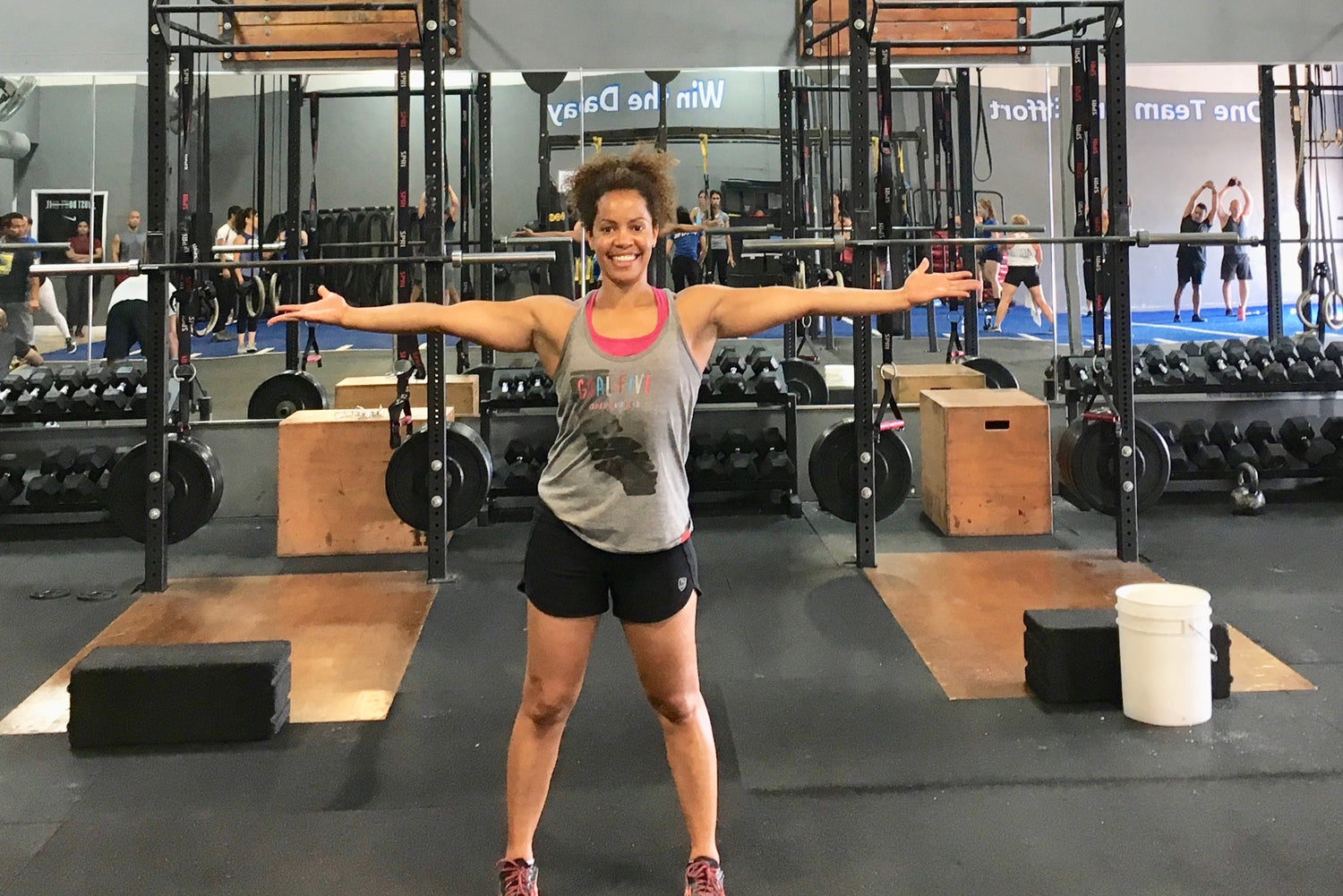
Sports science loves a good puzzle. For decades, training programs treated everyone the same; standard drills, generic recovery advice, identical strength regimens. This approach ignored basic human movement patterns. Women move differently. The hip structures are wider; the landing angles are sharper. Because of these distinct physical realities, the strain on knees and ankles is entirely unique.
Protection is no longer just about heavy braces or thick athletic tape. It has shifted toward targeted bio-mechanics; proactive support that keeps athletes on the field without limiting natural movement.
The Biological Groundwork
Look at the statistics for ligament tears. The numbers are jarring; high school and college women face anterior cruciate ligament (ACL) injuries at rates significantly higher than their male counterparts. This is not about a lack of conditioning. It is a geometry problem.
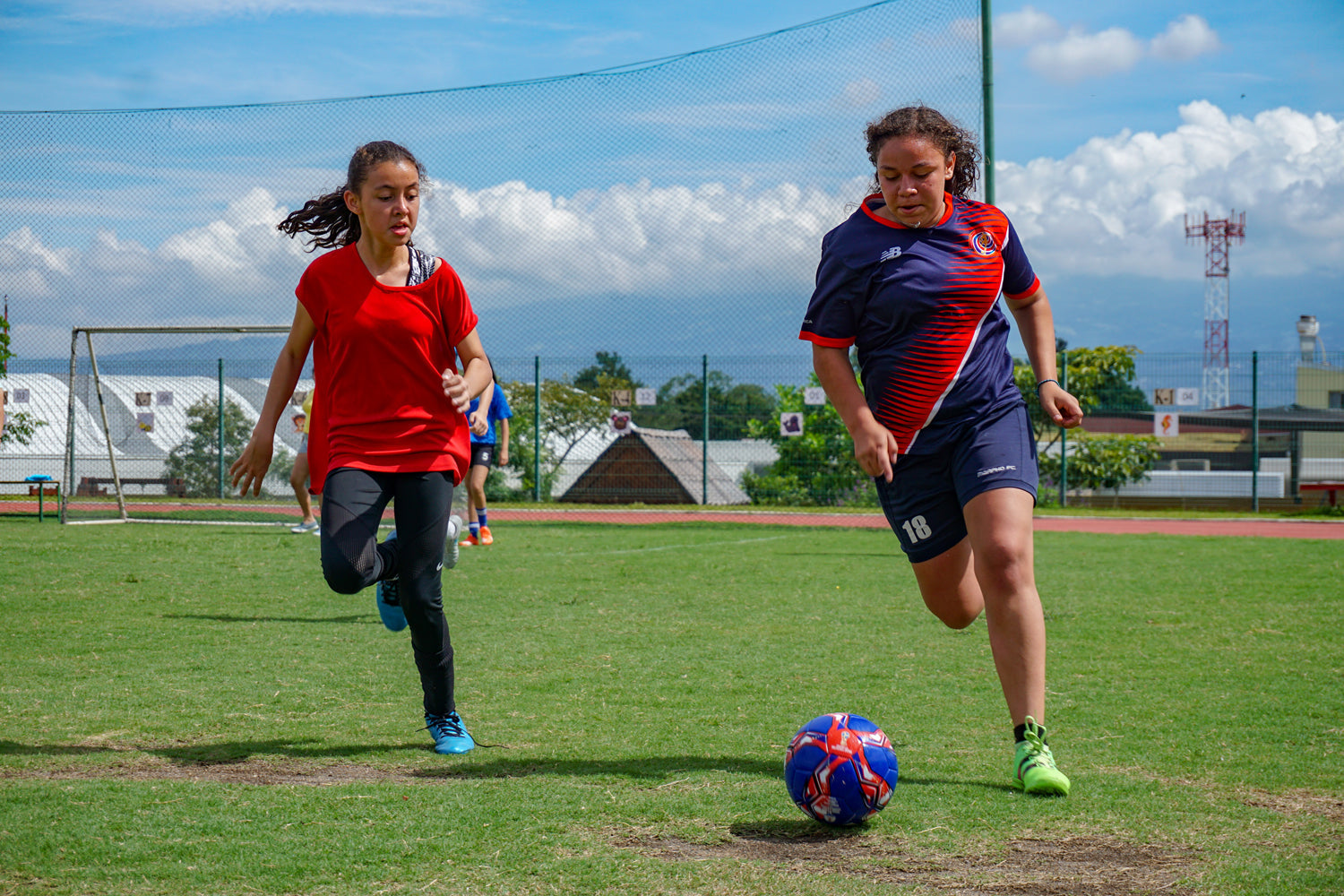
The wider Q-angle; the angle where the femur meets the kneecap; creates a natural inward pull during jumps and sudden changes of direction. When a player plants her foot to cut on the turf, her joint absorbs a concentrated lateral force. Traditional training overlooked this specific mechanical pressure.
Hormonal cycles also affect tissue behavior. Research indicates that fluctuations in estrogen alter ligament laxity. During certain weeks, the connective tissues are naturally more flexible; beautiful for overall mobility, but challenging for joint stability. Recognizing these internal changes allows trainers to modify workouts during high-risk windows.
Re-Engineering Movement Patterns
Athletes cannot change their bone structure. They can, however, change how they land. Neuromuscular training has become the foundational defense against chronic wear and acute tears.
These programs focus on subconscious muscle memory. Instead of letting the knees cave inward during a squat or a jump, players learn to keep their joints aligned over their toes. It sounds simple; the execution requires intense repetition.
-
Glute Activation: Strengthening the hips to prevent the femur from rotating inward.
-
Deceleration Drills: Learning to absorb shock through the hamstrings rather than forcing the knee joint to take the impact.
-
Single-Leg Balance: Improving stabilization receptors in the ankle to protect the structures further up the leg.
By training the body to move with better alignment, the sheer force placed on the joints drops dramatically.
Internal Cushioning and Direct Joint Therapy
Sometimes external mechanics are only half the battle. When cartilage begins to wear down, the natural fluid inside the knee loses its thick, protective quality. This leads to friction; bone rubbing against bone; causing stiffness that limits performance long before actual tissue damage occurs.
To combat this, sports medicine has turned to advanced viscosupplementation. These therapies restock the joint with high-molecular-weight hyaluronic acid, replicating the body's natural lubricant. It is a highly localized approach; one that targets the exact point of friction to restore cushion and shock absorption. For medical providers managing these chronic wear cases, sourcing these treatments from a trusted Monovisc injection supplier ensures that athletes receive consistent, pharmaceutical-grade solutions designed to keep them moving comfortably.
This internal support works alongside physical therapy. It acts as a buffer; giving the joint the physical space and lubrication it needs to heal while the athlete rebuilds her surrounding muscle groups.
Gear That Adapts in Real Time
Technology has finally caught up with athletic needs. Heavy, rigid plastic braces used to be the default for injured knees. They kept the joint safe; they also made the athlete slow and stiff.
Modern protective gear focuses on dynamic resistance. Smart materials remain soft and flexible during normal running strides. The moment a sudden impact occurs, the material molecules lock together instantly to absorb the shock.
Footwear design is also undergoing a quiet revolution. Women's cleat patterns are being redesigned to release from turf more easily. When a foot gets stuck during a pivot, the knee pays the price. By using shorter, circular stud configurations rather than long, blade-like shapes, shoe designers are reducing the rotational traction that leads to severe injuries.
The Role of Targeted Nutrition
Muscles recover with protein; joints require a different toolset. Connective tissue lacks the direct blood supply that muscles enjoy. This means recovery for tendons and cartilage is inherently slower.
Nutrition for joint care focuses heavily on collagen synthesis. Combining specific collagen peptides with vitamin C shortly before a workout helps deliver these building blocks directly to the active joints. The increased blood flow from the exercise helps transport the nutrients into the otherwise hard-to-reach cartilage areas.
Hydration is equally critical. Cartilage is mostly water. Even mild dehydration reduces the shock-absorbing capacity of the spinal discs and knee joints, making them more vulnerable to impact damage.
Shifting the Recovery Philosophy
Rest is no longer defined as sitting on a bench with an ice pack. Active recovery has replaced static downtime. Keeping the joint moving gently promotes the flow of synovial fluid, which carries vital nutrients to damaged tissues.
This proactive mindset is changing how athletes approach their careers. Instead of waiting for pain to dictate their schedule, they treat joint protection as a daily discipline. The goal is simple; keep the body balanced, cushioned, and ready for the next whistle.
1 comment
Muhammad Amjad
I am reaching out to introduce Anro Sports , a trusted apparel manufacturer offering custom clothing solutions at direct factory prices. With our state-of-the-art facility and experienced team, we help brands, businesses, and organizations bring their ideas to life while saving significantly on costs, tariffs, and duties.
Why choose us?
• Direct factory pricing with no middlemen
• Fast turnaround times without compromising quality
• All services under one roof for seamless production
• Strict quality control at every stage
• Global shipping and logistics support
We also offer sample creation, allowing you to visualize your designs before moving into full production.
I Would love To prepare for a custom Quote accrding your requirement.
Best Regards
Muhammad Amjad
Anro Sports
www.anrosports.com
Leave a comment
All comments are moderated before being published.
This site is protected by hCaptcha and the hCaptcha Privacy Policy and Terms of Service apply.