


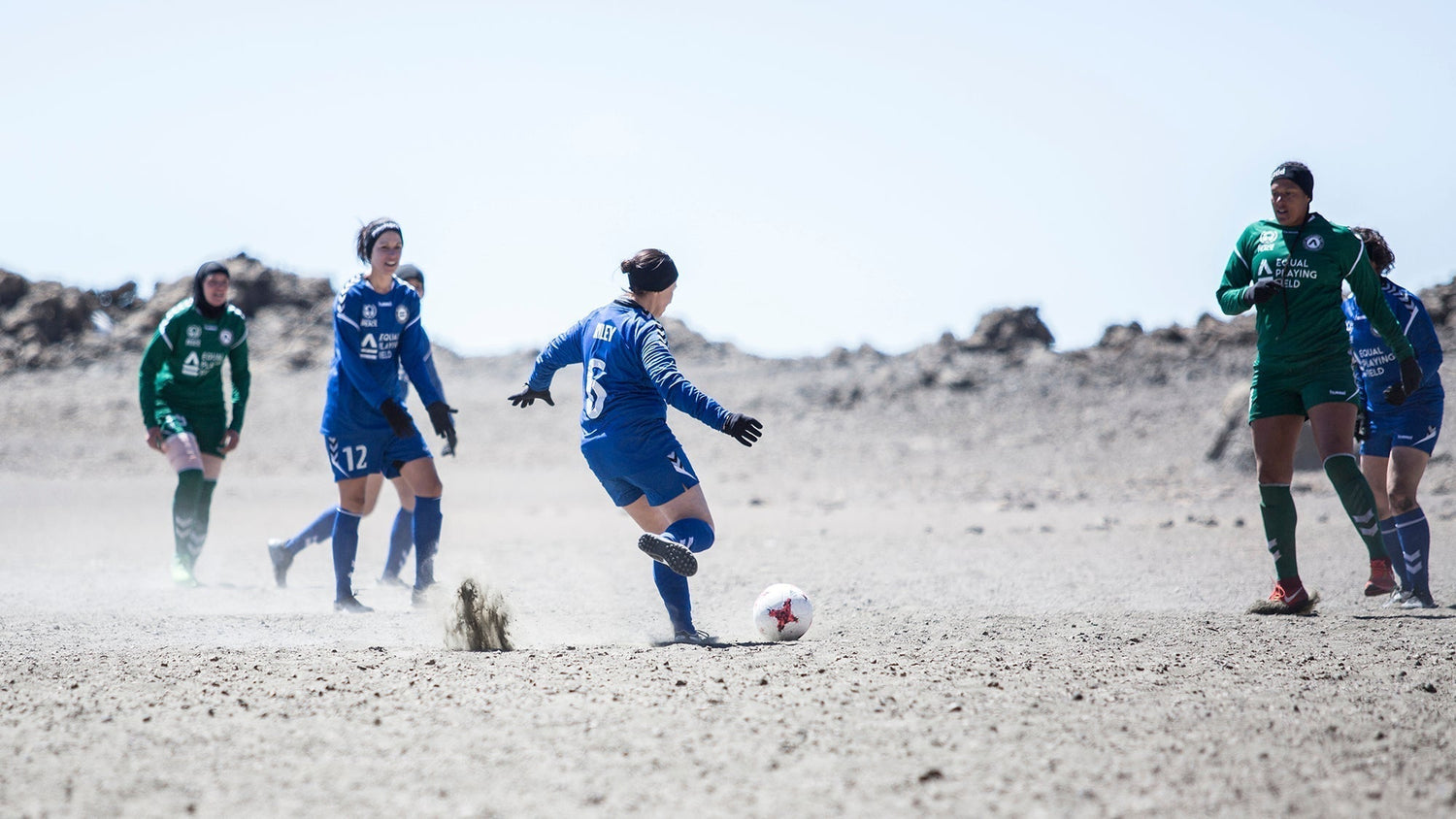
You used to train together three or four times a week. Same pace, same energy, same post-gym trash talk. Then somewhere around 32 or 33, something changed. He started skipping sessions, cutting sets short, or telling you he "just didn't sleep well." At first, you chalked it up to a busy stretch at work. But weeks turned into months, and the guy who once pushed you through every rep now looks like he'd rather be on the couch.
If this sounds familiar, you're not imagining things. There are real, measurable reasons why men slow down in their 30s, and understanding them can help you support your training partner instead of writing him off.
What's Happening Inside His Body
Starting around age 30, men begin to lose muscle mass at roughly 3 to 8 percent per decade, a process called sarcopenia (Volpi et al., 2004). Muscle strength declines at approximately 1.5 to 3.0 percent per year (von Haehling et al., 2010). That means your buddy isn't being lazy. His body is working against him in ways it wasn't five years ago.

A major driver behind this decline is testosterone. After 30, testosterone drops about 1 percent per year. Since testosterone supports protein synthesis and helps counteract the catabolic effects of cortisol, lower testosterone levels mean slower recovery, reduced muscle retention, and lower energy during training. Most men have no idea this is happening because testosterone testing is rarely included in routine physicals (Nagorna et al., 2026).
Sleep Is Doing More Damage Than He Thinks
Here's something that might surprise both of you: a study published in JAMA found that healthy young men who slept fewer than five hours per night for one week experienced testosterone reductions equivalent to 10 to 15 years of aging (Leproult & Van Cauter, 2011). The lead researcher described short sleep duration and poor sleep quality as functioning like endocrine disruptors.
So when your buddy says he "didn't sleep great," that's not a throwaway excuse. Chronic sleep deprivation compounds the testosterone decline already underway in his 30s, creating a feedback loop: poor sleep lowers testosterone, lower testosterone reduces sleep quality, and the cycle continues. If he's a new dad, working late, or doom-scrolling until 1 a.m., the effects on his training capacity are measurable and significant.
Women Are Paying Attention to Hormones. Men Aren't.
In women's fitness, hormone-informed training has gained serious traction. A 2026 field study confirmed that hormonal fluctuations significantly influence female athletic performance and that scientifically validated monitoring methods exist, though they remain underutilized (Nagorna et al., 2026). Women are increasingly adjusting training intensity, recovery protocols, and nutrition around their cycles.
Men, on the other hand, are largely ignoring the hormonal side of performance. Most guys in their 30s have never had their testosterone tested and have no baseline to compare against. They notice they're slower, weaker, or more fatigued, but they blame it on willpower or motivation rather than biology. Platforms like feel30.com have started addressing this gap, offering men access to hormone-level assessments and science-backed protocols tailored to the realities of aging. It's the type of resource that didn't exist five years ago but fills a growing need.
How to Talk to Him About It
If your training partner has slowed down, the worst thing you can do is guilt him into pushing harder. Telling someone to "man up" when their endocrine system is working at a deficit is counterproductive.

Instead, bring up the topic casually. You might mention an article you read about testosterone and aging, or share that you've been curious about getting your own levels checked. Making it a shared conversation rather than a lecture removes the defensiveness.
You can also suggest a schedule adjustment. If he used to train five days a week and now manages three, help him build a program around what's sustainable. Three focused sessions with proper recovery will outperform five half-hearted ones.
Most importantly, encourage him to get bloodwork done. A simple hormone panel can reveal whether his testosterone, thyroid, or cortisol levels are contributing to his decline. Having data turns a vague sense of "something's off" into a concrete starting point. Feel30 is one example of a service designed to simplify this process for men who wouldn't otherwise seek it out.
Adjusting Your Own Expectations
Being a good training partner means adjusting your expectations without lowering your standards. You can still push each other, but the benchmarks might need to change. Instead of chasing the same weights you hit at 25, focus on consistency, mobility, and long-term performance.
Recovery becomes a non-negotiable priority. Encourage rest days, stretching, and sleep hygiene with the same intensity you bring to the workout itself. Recognize that his slower pace is a biological reality that, with the right approach, he can manage effectively.
Conclusion
The friendship that brought you to the gym together is worth more than any PR. If your buddy is slowing down, he's probably already frustrated with himself. He needs someone who understands what's happening, helps him find answers, and shows up ready to train at whatever pace keeps you both moving forward. That's what a good training partner does.
References
-
Leproult, R., & Van Cauter, E. (2011). Effect of 1 week of sleep restriction on testosterone levels in young healthy men. JAMA, 305(21), 2173–2174.
-
Nagorna, V., Sencha-Hlevatska, K., Fehr, D., Bonmarin, M., Korobeynikov, G., Mytko, A., & Lorenzetti, S. R. (2026). Advancing women's performance in fitness and sports: An exploratory field study on hormonal monitoring and menstrual cycle-tailored training strategies. Sports (Basel, Switzerland), 14(1), 7.
-
Volpi, E., Nazemi, R., & Fujita, S. (2004). Muscle tissue changes with aging. Current Opinion in Clinical Nutrition and Metabolic Care, 7(4), 405–410.
-
von Haehling, S., Morley, J. E., & Anker, S. D. (2010). An overview of sarcopenia: Facts and numbers on prevalence and clinical impact. Journal of Cachexia, Sarcopenia and Muscle, 1(2), 129–133.

Leave a comment
All comments are moderated before being published.
This site is protected by hCaptcha and the hCaptcha Privacy Policy and Terms of Service apply.