


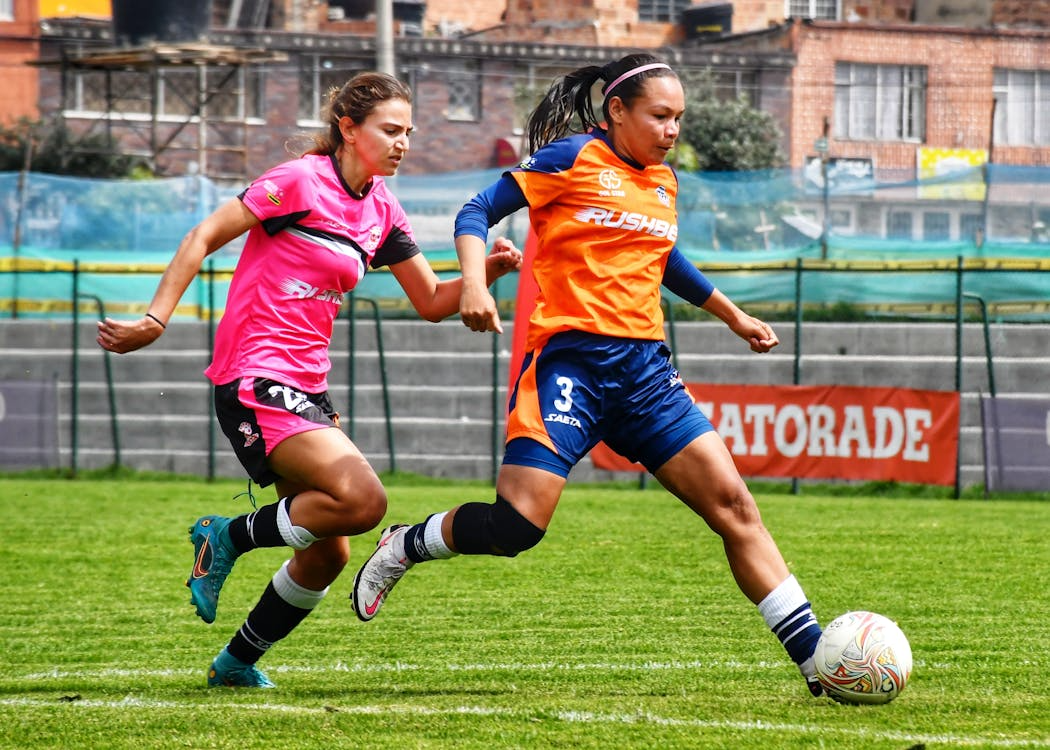
You did everything right and still hit a wall at the seventy-minute mark. Here's the game-day fueling plan, hour by hour — and why the numbers most players are following were never built for them.
A player checks a generic protein calculator, hits her number, and still feels flat through a heavy training week. The calculator wasn't wrong, exactly. It was just built on research that, for decades, barely included women at all.
Most nutrition guidance still in circulation traces back to studies conducted almost entirely on male athletes. That's not an academic footnote — it shapes what you put in your bag on Saturday morning and how you feel in the last twenty minutes of a match.
So let's start with the practical question, then get into why the standard numbers are off.
What to Eat Before a Soccer Game, Hour by Hour
The timing matters as much as the food.
The principle is simple: the closer you get to kickoff, the smaller and simpler the meal, and the more it leans toward carbohydrate. Fat and fiber slow digestion, which is exactly what you don't want when you're about to sprint.
3 to 4 hours before: your real meal
This is the one that matters most. Build it around carbohydrate with moderate protein and low fat — rice with chicken, pasta with a simple sauce, a rice bowl, a turkey sandwich. Enough food to feel satisfied, not heavy. Drink water steadily from here on.
2 hours before: top up if you need to
If your real meal was small or the nerves killed your appetite, a smaller carb-forward snack fits here. Oatmeal, toast with jam and a little nut butter, a banana with yogurt. Keep fat and fiber low.
1 hour before: light and simple
Fruit, a granola bar, a handful of pretzels, applesauce. You're not trying to fill up — you're keeping blood sugar steady so you don't start flat.
30 minutes before: liquid or nothing
A sports drink, a few sips of juice, or just water. Anything solid this close tends to sit badly once you start running.
The night before
Eat a normal, generous dinner with plenty of carbohydrate and don't experiment. The night before a match is the worst possible time to try a new restaurant or a new supplement. Hydrate through the evening rather than chugging water in the morning.
Morning games
Early kickoffs are the hardest, because a full three-hour window before a 9 a.m. game means eating at 6. Most players do better with a lighter breakfast 90 minutes out — oatmeal, banana and toast, a bagel with a thin layer of nut butter — and a bigger dinner the night before to bank the carbohydrate.

What to Eat at Halftime
Fifteen minutes, and mostly a hydration problem.
Halftime isn't a meal. Fluids first, especially in heat. If you're depleted, fast carbohydrate helps — orange slices, a sports drink, a few dates. Nothing heavy, nothing new on game day.
After the Game: The Part Most Players Skip
Recovery starts before you get to the car.
The post-match window is where protein finally matters, and it's the meal most players miss because they're tired, driving somewhere, or genuinely not hungry yet. Carbohydrate to replace what you burned, protein to start repair, fluid to replace what you sweated.
Practically, this is where a shake earns its place. A fast-digesting protein powder gives the body quick access to amino acids for muscle repair without requiring a full meal to be planned and cooked between sessions — a real factor for anyone balancing double training days with school, work, or family commitments. Many athletes build this directly into a post-training routine rather than relying on whatever food happens to be around.
Our guide to what to eat after a workout at night covers the late-finish version of this problem, which is most evening league games.
Why Generic Protein Numbers Under-Fuel Female Athletes
The research gap, and the number that actually applies to soccer.
Here's the part the calculators get wrong. Exercise nutrition studies with female-only participants make up a small share of the total research, a limitation sports scientists themselves have flagged. Recommendations get built on male data and applied across the board, with sex differences assumed away rather than tested.
Team sport athletes fall into a gap inside that gap. Most protein studies look at steady endurance work or straightforward resistance training — neither of which captures the stop-start, sprint-and-recover demands of soccer, where a player might sprint, jog, and change direction dozens of times across ninety minutes.
One study speaks directly to this. A study measuring protein requirements in active females performing variable-intensity intermittent exercise — designed to simulate exactly those team-sport demands — found a requirement of roughly 1.4 to 1.7 grams per kilogram of body weight per day. That sits at the upper end of general sports nutrition guidance, and above what many female team sport athletes actually report eating.
For context, the International Society of Sports Nutrition position stand puts the range for exercising individuals at 1.4 to 2.0 g/kg/day, recommends roughly 20 to 40 grams per serving, and suggests spreading intake every three to four hours rather than loading it into one or two large meals.
That distribution point is worth acting on. Three to four protein-containing meals or snacks across the day supports muscle repair better than one enormous dinner, and it fits naturally around training rather than requiring a restructured diet.
If you're also lifting, our guide to weight training for women and the breakdown of how many exercises per workout to do will tell you what training load these numbers are meant to support.
Eating Enough Is the Actual Risk
Under-fueling costs more than a slow recovery week.
The bigger danger for most committed athletes isn't eating the wrong thing — it's not eating enough overall. When energy intake doesn't cover training demands, the consequences reach well past feeling tired.
The IOC consensus statement on Relative Energy Deficiency in Sport documents effects on bone health, menstrual function, immune function, and performance. A review of low energy availability in athletes found awareness of this remains low among both coaches and players.
Which means the honest version of pre-game advice is: eat more than you think you need, not less. If food, weight, or fueling has started to feel stressful rather than practical, that's worth raising with a doctor or a registered sports dietitian — not something to sort out from a blog post.
Coaches working with women's teams have started building nutrition education into preseason rather than assuming players will find accurate information on their own. That shift matters most for youth and collegiate programs, where habits formed early tend to stick.
Recovery Beyond the Plate
What rounds out a tournament weekend.
Nutrition first, but it isn't the whole picture — particularly across a tournament weekend where you're playing three games in two days and recovery time is the limiting factor.
Sleep does more than any supplement. Ice baths and compression remain common, and many athletes who take recovery seriously build outdoor saunas into their home routine, treating heat exposure as one established part of managing a long season rather than a rare luxury. Mobility work belongs here too — stretching keeps tissue extensible and stops small things becoming big ones.
When something does flare up, speeding up muscle strain recovery covers the first 72 hours. And if you're running to build a base between seasons, our running tips for women athletes will keep the conditioning honest.

What to Pack in the Game-Day Bag
Food is half of it. The rest is kit that doesn't need managing.
Nothing derails focus like adjusting your waistband on a throw-in. Pack the things you won't have to think about:
- Match and warm-up kit. Women's soccer shorts built for the sport, plus lined workout shorts for warm-ups — here's why the liner matters.
- Support that holds for 90 minutes. Our guide on wearing a sports bra every day covers fit and rotation; shop bras built for real impact.
- Socks that stay up. The Equal Play over-the-calf sock does the job.
- A warm layer for the bench. Tights vs. leggings breaks down cold-weather options.
- Food and fluid. Your pre-game meal, a halftime option, and a post-match snack — packed the night before, not scrambled for at 7 a.m.
Not sure on fit? Our sizing guide will sort it before game day.
Pre-Game Nutrition FAQs
What should I eat before a soccer game?
A carbohydrate-focused meal with moderate protein and low fat, three to four hours before kickoff. Rice and chicken, pasta, or a sandwich all work. Keep it familiar.
What to eat 2 hours before a soccer game?
Something smaller and carb-forward — oatmeal, toast with jam, a banana with yogurt. Avoid heavy fat and high fiber this close to kickoff.
What should I eat before a morning soccer game?
A lighter breakfast about 90 minutes out — oatmeal, a bagel, or banana and toast — combined with a solid carbohydrate-rich dinner the night before.
What should I eat the night before a game?
A normal, generous dinner with plenty of carbohydrate. Don't try anything new, and hydrate steadily through the evening.
How much protein do female soccer players need?
Research on intermittent, team-sport-style exercise in active females points to roughly 1.4 to 1.7 g per kg of body weight daily — higher than commonly cited baseline figures, and more than many players actually eat.
Should I eat during a game?
Fluids first at halftime. If you're depleted, fast carbohydrate like orange slices or a sports drink helps. Nothing heavy or unfamiliar.
What should I not eat before a soccer game?
High-fat and high-fiber foods close to kickoff, and anything you haven't eaten before a game previously. Game day is not the day to experiment.
Share your progress on Instagram and tag us @goalfive. Then head over to our women's activewear collection to sort your game-day kit, or read more athlete stories on Her Fifth Gear.
1 comment
d'Alary Dalton
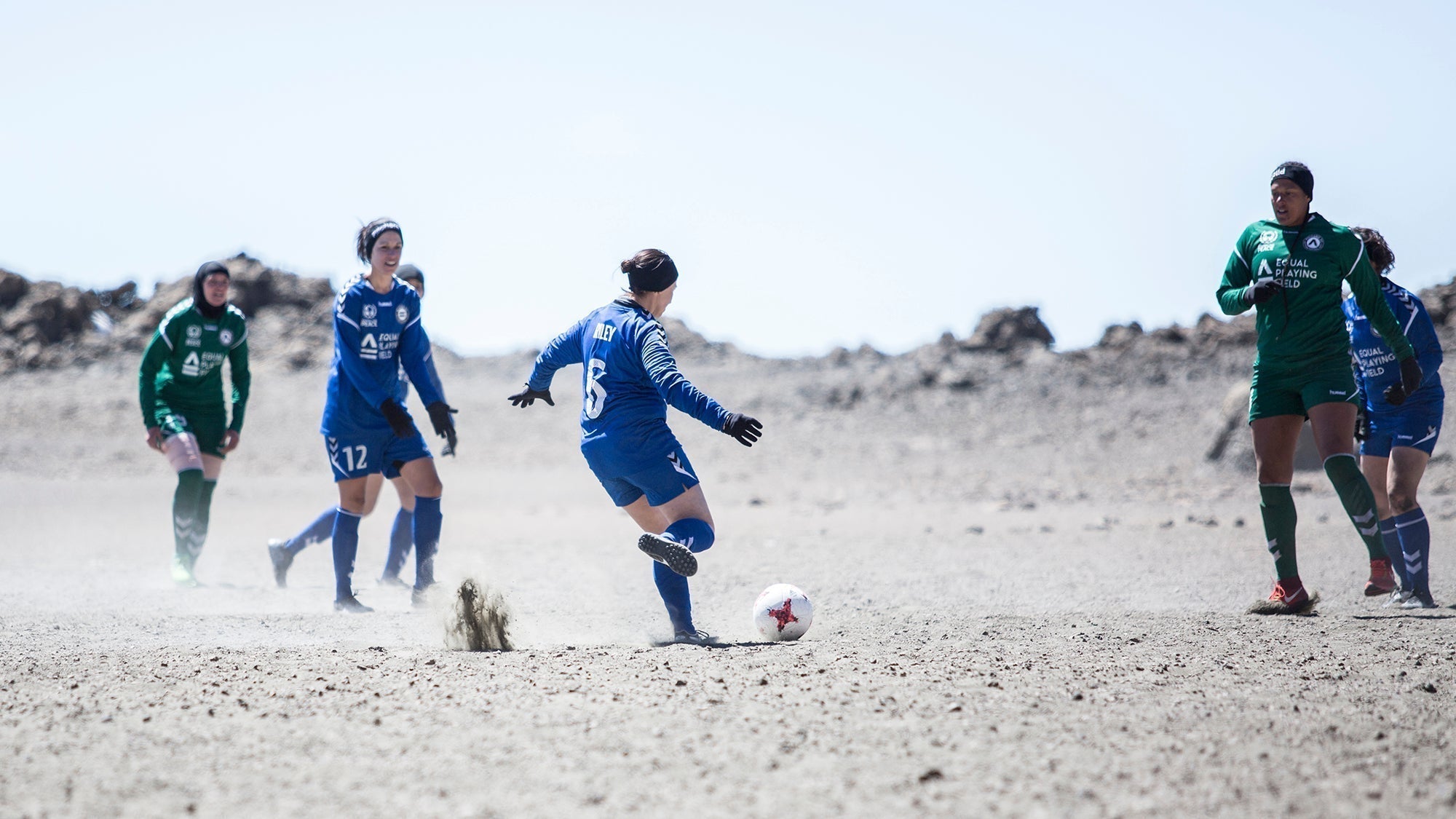
I only recently came across this wonderful post and had to update you. The Tibetan women are hosting the CONIFA Women’s World Cup July 1-6, 2022! How amazing is that!? Be sure to watch them play on Tibet TV and conifatv.com.
Leave a comment
All comments are moderated before being published.
This site is protected by hCaptcha and the hCaptcha Privacy Policy and Terms of Service apply.