


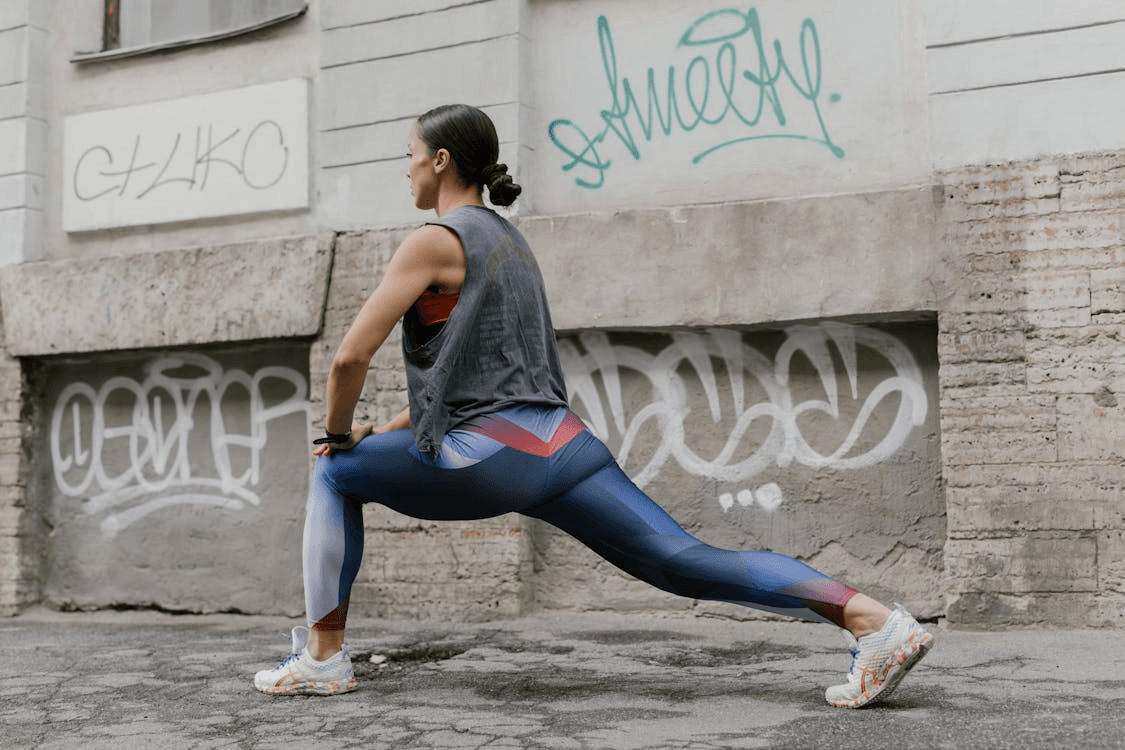
A base layer is a type of clothing that acts as a second skin to keep the body warm. It's designed to wick away sweat and prevent chafing, regulate the core temperature, and keep the wearer comfortable all year round. There are various types of base layers that are ideal for different body parts.
For people who train in cold conditions, a base layer is an essential part of a winter wardrobe, which provides warmth and protection from the elements while keeping the core body temperature at a regulated level.
In addition to being an essential part of winter wardrobes, base layers are also very useful for the warmer months as they help regulate the body's temperature and keep it cool.
The fabric used to create a base layer should be designed to wick away sweat. This process works by taking the moisture from the skin and converting it into vapor. It keeps the body warm and dry, and it helps an athlete's mind stay focused on the task at hand. A poorly made base layer can't quickly remove sweat from the body, which means that athletes might suffer from the effects of moisture getting trapped.
Using Goal Five to Up Your Base Layer Game
One of the best base layers that you can consider are the Goal Five leggings, which are made with a moisture-wicking and quick-drying material. They have a flatlock seam and a supportive compression fit.
The reinforced seams and flatlock stitching give these leggings a smooth and comfortable finish, which are ideal for high-intensity workouts and prevent discomfort when worn layered.

Options like the Go Again cropped leggings have a sculpting design that allows you to move around freely and comfortably no matter the activity. Image courtesy of Goal Five.
Things to Consider
How should you go about finding the right base layer for your workouts/activities? Check out these main factors you should consider.
Materials
One of the most common materials used in making base layers is synthetic. This type of material is usually referred to as a polyester or a polyester blend, and it dries quickly. It's not suitable for extremely cold weather, but it can be used in various applications when the temperature gets warmer.
Compared to other materials, a base layer made from merino wool is soft and comfortable to the skin. It can regulate the body's temperature and keep you warm even if the weather gets cooler.
Despite being less common than synthetic materials, silk is another option for making base layers. It's soft and can appeal to people with sensitive skin. However, it doesn't keep the odor away and requires more washing.
Finding the Right Weight
The lightweight properties of base layers allow them to dry quickly and effectively. They're ideal for low-intensity workouts or when you're already feeling the effects of sweating.
The midweight version of base layers is thicker, which makes them ideal for wearing as a traditional base layer or a second layer depending on the weather. They're also great for keeping you warm during cooler weather. Heavyweights are made of heavier materials, which aren't ideal for first-layer use. Nonetheless, they're considered to be the best choice when it comes to cold weather due to their insulation properties.

The various types of base layers are designed to help keep you warm and dry while also wicking moisture away from your skin. In order to achieve this, they need a tight fit. A loose fit can decrease the efficiency of the wicking process, while also leaving you feeling more uncomfortable during your workout.
Thermals vs. Base Layers
A thermal is a type of base layer that's designed to provide warmth and retain body heat in cold environments. It can be made from either synthetic or natural fibers, and it's usually thicker than regular base layers.
Shirts and thermal bottoms are ideal for people who like to stay warm and protected from harsh weather, such as rain, wind chill, and freezing temperatures. These are essential items for any outdoor enthusiast.
Thermals can be made from both natural and synthetic materials, such as merino wool. Since synthetics offer better moisture management, they're a popular choice for athletes.
Aside from their exceptional warmth, thermals made from merino wool are also odor-resistant and can keep your skin feeling dry and comfortable. Both thermals and base layers are made to protect the wearer during different weather conditions. They are usually constructed using synthetic materials and merino wool.
Versatility of Base Layers vs. Thermals
Although thermals and base layers have similar functions and composition, they have significant differences. One of these is their intended use. For instance, while thermals are usually made for cold environments, base layers are often used for all different climates.
For cold weather, thermal apparel, such as thermal tops and bottoms, are better suited due to their insulation and fabric properties. For instance, thermal pants made from Merino wool are ideal for low-temperature activities, as they provide warmth to the legs.
Base layers made from synthetic materials are ideal for all kinds of weather conditions, such as those that are mild to moderate. They can also keep you warm and dry without overheating.
Another important aspect to consider when it comes to choosing a base layer is the quality of the material. Having the right base layer will help regulate your body's temperature and keep you warm and comfortable during your outdoor adventures.
Base Layering in Cold Weather
There are no specific guidelines when it comes to layering in cold weather. Your personal preference, as well as your temperature and activity level, will determine how many base layers you should wear. When it comes to staying warm and preventing overheating, it's important to strike a balance. Wearing too many layers can lead to discomfort and excessive sweating. On the other hand, wearing too few can result in hypothermia.
To start, it's generally recommended to wear a lightweight base layer. However, it's also important to consider your body's reaction to the environment. If you start to feel too warm, you can always just remove the layer!
Base layers can be utilized for different types of outdoor activities, and a crucial aspect to consider is your level of exertion. Different activities will require varying levels of breathability and insulation.
If you're planning on participating in a vigorous activity, such as hiking or running, you might generate more sweat and heat. In certain cases, you should opt for base layers that are both moisture-wicking and highly breathable. You can find materials such as synthetic blends and merino wool that are designed to allow the body to retain its natural heat while letting it escape.
If you're planning on participating in a low-intensity activity, you might want to opt for a base layer that has more insulation. Doing so will allow you to avoid generating excessive sweat.
In cold weather conditions, such as hiking, you should opt for high-quality base layers with excellent insulation. You should also consider adding a layer of insulating material to your layering system to provide a more comfortable and warm outer shell.
In mild winter weather, you might not need to wear as many base layers. For instance, if you're planning on going on a short walk, you might only need a single layer. However, keep in mind that the weather forecast may change.

One of the most popular materials for base layers is merino wool due to its moisture-wicking capabilities and exceptional insulating properties. Polyester and nylon are also great alternatives due to their lightweight and quick-drying properties.
Base Layering in Warm Weather
When it's warm outside, it's best to keep your clothes simple, such as wearing a base layer and not opting for outer or mid layers that are designed to keep you warm. Wearing a base layer during the warmer months can help keep the body dry and cool, and wearing a base layer during the summer will not actually increase the temperature of the body. It's essential to keep in mind that these items are also available in various colors and styles, making them just as versatile as they would be in the winter.
One of the most important factors that a base layer should consider when it comes to keeping its wearer warm is the ability to remove sweat. This helps keep the body warm and dry, and allows you to still exercise in a comfortable fashion without getting too hot.
A Base Layer is Always Key
Whether it be to keep you warm or prevent sweat buildup, base layering is a fundamental routine of getting prepared for exercise. With options from Goal Five such as the high quality and comfortable leggings, you will always feel your best and most confident self when working out!


Leave a comment
All comments are moderated before being published.
This site is protected by hCaptcha and the hCaptcha Privacy Policy and Terms of Service apply.